Program analysis: Erasmus

In news feeds and social media, advertisements constantly flash in front of us about various programs offering training, scholarships or internships. ORIENT presents another material in a series of analyzes so that readers to better understand the content and benefits of such projects. In today's issue, you will be acquainted with the international education programs of the European Union Erasmus+ project.
Erasmus+ is a European Union initiative aimed at supporting education, exchange and cooperation in higher education. The programs provide unique opportunities for students, teachers and researchers around the world.
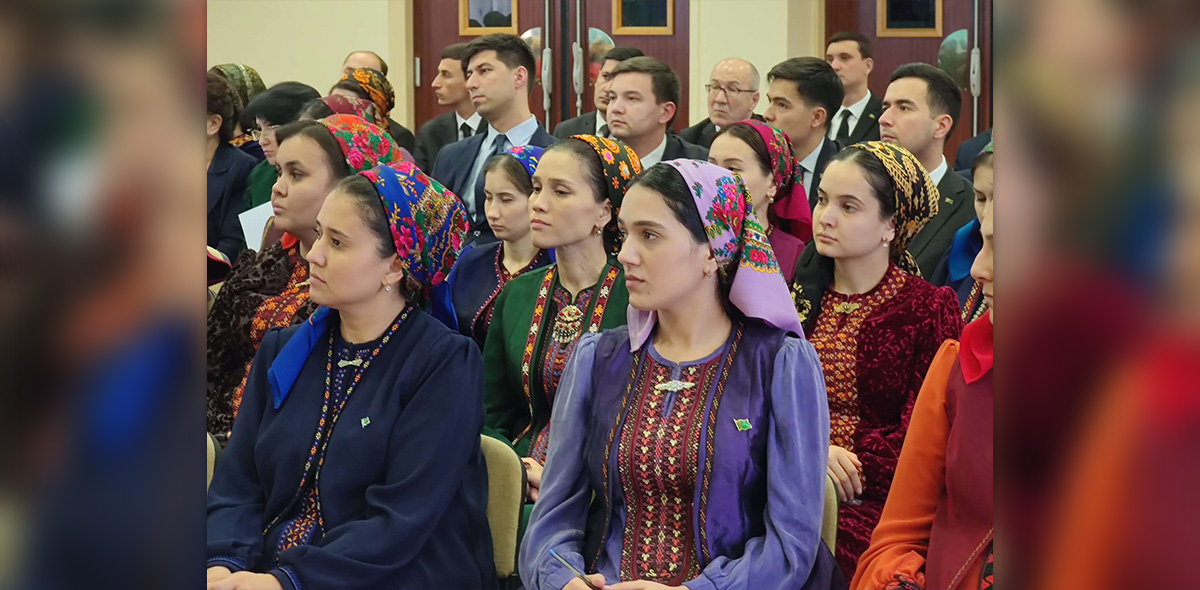
There are country representative offices in the project participating states, and Turkmenistan is no exception. National Office Erasmus+ in the country regularly conducts information sessions and presentations on the topic of participation of Turkmen students in EU scholarship programs. Thus, one of these sessions was recently held at the Institute of International Relations of the Ministry of Foreign Affairs of Turkmenistan, where the coordinator of the National Erasmus+ Office Aina Choreklieva spoke about the intricacies of admission and the features of the process. ORIENT, following this example, presents readers with a detailed analysis of the programs offered under Erasmus+.

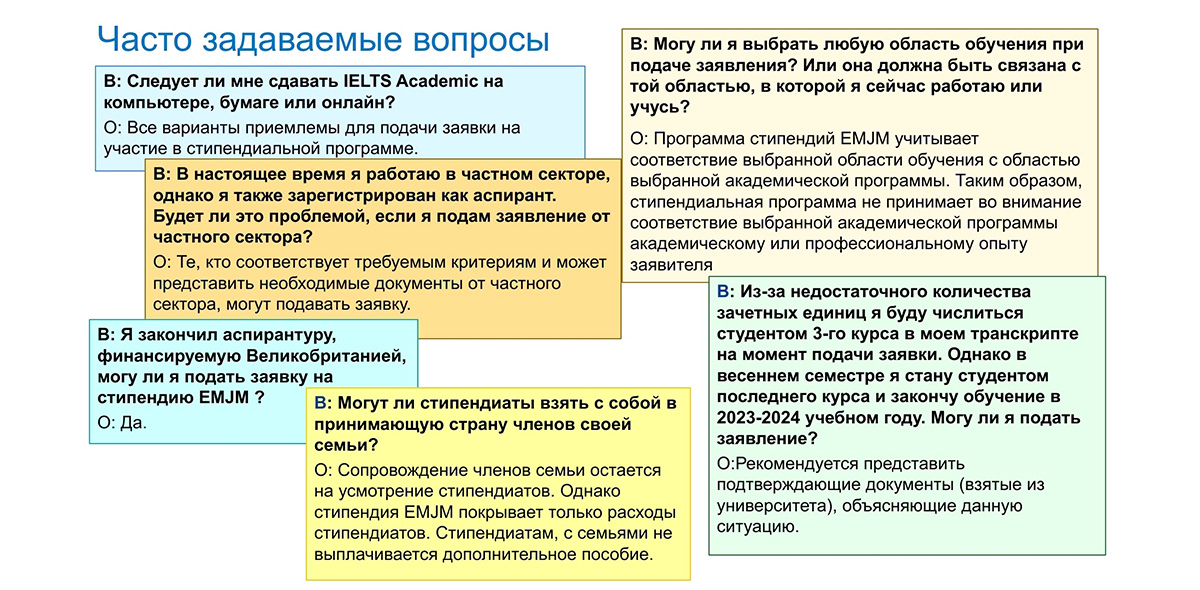
Erasmus Mundus is a program that provides the opportunity to obtain joint master's and doctoral degrees at various universities in Europe. Candidates can choose up to three academic programs in the specialty of interest. Applications are submitted online; the list of required documents is posted on the page of the selected program. Typically, this is a diploma of the first stage of higher education (bachelor's/specialist's degree), a diploma supplement and accompanying documents such as a motivation letter and a list of available publications/scientific works. If the candidate is currently studying in the last year of the first stage of education, it is allowed to send a certificate with the date of graduation and receipt of the diploma instead of a diploma.

The advantages include mobility (training in your specialty in several European countries as part of a master's course), covering training costs and the opportunity to participate in the program several times. Graduates receive a general master's degree from several European universities, and also establish contacts with specialists from all over the world.
International credit mobility is a program that allows you to spend a semester at a partner university of your current educational institution. This option is available to students at all levels of the Bologna process: bachelor's, master's and doctorate (PhD).
Students who have passed the selection are provided with financial support in the form of a monthly stipend, as well as partial coverage of travel costs (by plane to the destination country). Applications are submitted through the current institution to the national Erasmus+ office, and guidelines for participating institutions can be found link.
The Marie Skłodowska-Curie Program is an EU doctoral and post-doctoral training programme, providing researchers with new knowledge and skills through cross-border mobility and exposure to different sectors and disciplines. Fellows receive funding for the development of doctoral and post-doctoral training programs, as well as joint research projects.
The main directions and objectives of the program are to improve education through the mobility of researchers across borders, sectors and disciplines, develop new skills, strengthen human capital and develop skills within European research areas, improve and promote synergies, and promote public outreach.
Detailed information about applying is available on the official platform of the program.
All of these programs open the door to global education and enrich the student experience. Erasmus+ focuses on mobility and language exchange, providing a unique opportunity to study in several countries and highlighting the importance of research activity in the context of international scientific cooperation.

The choice between programs depends on your goals and interests: gain short-term experience in another country, conduct joint research with a group of specialists from different parts of the world, or turn your master's studies into a long-term multicultural experience - there are many possibilities. The programs provide unique learning, exchange opportunities, promote global education, and career aspirations.
This concludes the second issue of the program analysis series. In the next article, ORIENT will introduce readers to the UNRCCA Academy of Preventive Diplomacy program. Previous issues of the series can be found at the following links:
Analysis of programs: Technovation Girls
Analysis of programs: Prep4Success.
Сапаргулы Махтумов


