Turkmen experts participate in the regional counter-terrorism conference in Tbilisi

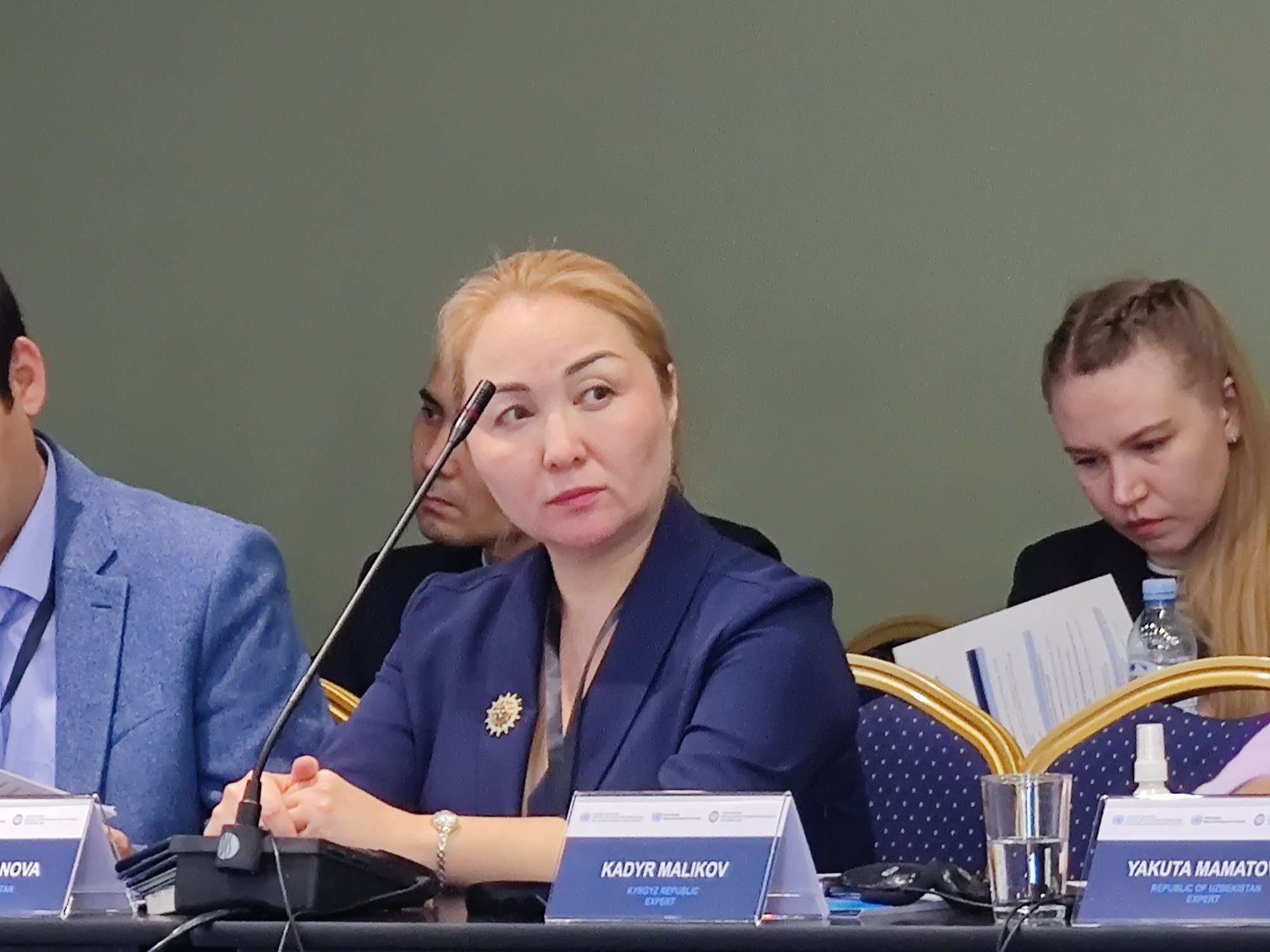
The Turkmen delegation is participating in a regional conference within the framework of the Counter-Terrorism Early Warning Network for Central Asia, which takes place from October 9 to 13 in Tbilisi, Georgia.
The purpose of this event is to expand cooperation and coordination between law enforcement agencies, security agencies and other competent structures, experts, representatives of international and regional organizations. The conference is aimed at strengthening regional mechanisms in the field of countering terrorism, building capacity and developing effective counter-terrorism strategies and measures to adequately respond to emerging challenges and security threats emanating from Afghanistan. The event participants also discuss further steps for the work of the Early Warning Network at the regional level.

The UN Regional Center convened the expert forum in Tbilisi for Preventive Diplomacy for Central Asia (UNRCCA), which previously held a series of consultations in a national format together with the UN Office of Counter-Terrorism (UNOCT) in five capitals of Central Asia in July. More than 100 participants in these events expressed their readiness to strengthen joint actions in further establishing the work of the Early Warning Network in Central Asia.
The current conference is attended by officials at the level of heads of departments and national ministries and departments working in the field of countering terrorism, as well as representatives of national institutes for strategic studies. From Turkmenistan, this is, in particular, the Center for Strategic Studies of the Institute of International Relations of the country's Ministry of Foreign Affairs.

Before the start of the analytical discussions, presentations of the results of the work of the national components of the Early Warning Network in the field of counter-terrorism were held and an overview of the current dynamics of the situation in Afghanistan was made.
In addition to presentations, data exchange and discussion, the conference includes work in groups on specific scenarios with an assessment of risks and threats.

This event is part of the project “Towards a comprehensive implementation of the UN Global Counter-Terrorism Strategy in Central Asia - Phase IV”. It should be noted here that since its launch in 2010 and throughout the three phases of implementation, significant progress has been made in the implementation of the UN Counter-Terrorism Strategy in the region. The main result of the first phase of the project was the approval by the countries of Central Asia of the Joint Action Plan for the implementation of the UN Global Counter-Terrorism Strategy in the region. At the time of approval, it was the first regional plan of its kind in the world.
During the following phases of the project, technical assistance was provided to Central Asian states in areas such as countering the financing of terrorism, border security, Internet use, cybersecurity, and the role of the media and religious leaders in preventing violent extremism.
Given the importance of Afghanistan in the security architecture of Central Asia, representatives from Afghanistan took part in activities throughout the three phases of the project. During these events, they were able to increase knowledge and share their experience in the field of preventing violent extremism and countering terrorism with colleagues from Central Asia. After the Taliban came to power in the summer of 2021, the participation of Afghan representatives was suspended.
Taking into account the new realities, the fourth phase of the project, which began in December 2021, aims to further strengthen cooperation and coordination among Central Asian countries, especially in the area of border management, with the aim of reducing risks emanating from Afghanistan.

As for the Early Warning Network, it has three specific goals. The first is the development of cooperation and coordination between law enforcement agencies, including through improved exchange of information on Afghanistan. The second is building the capacity of law enforcement agencies, security agencies, customs and border services at the national and regional levels to develop effective counter-terrorism strategies and measures to adequately respond to emerging challenges and security threats emanating from Afghanistan.
And the third goal is to provide access to best practices, methodologies and approaches to countering terrorism and preventing violent extremism for law enforcement agencies, security agencies, customs and border services of the Central Asian states.
ORIENT news


