Great Britain returns to the Kabul Museum masterpiece of the Buddhist art
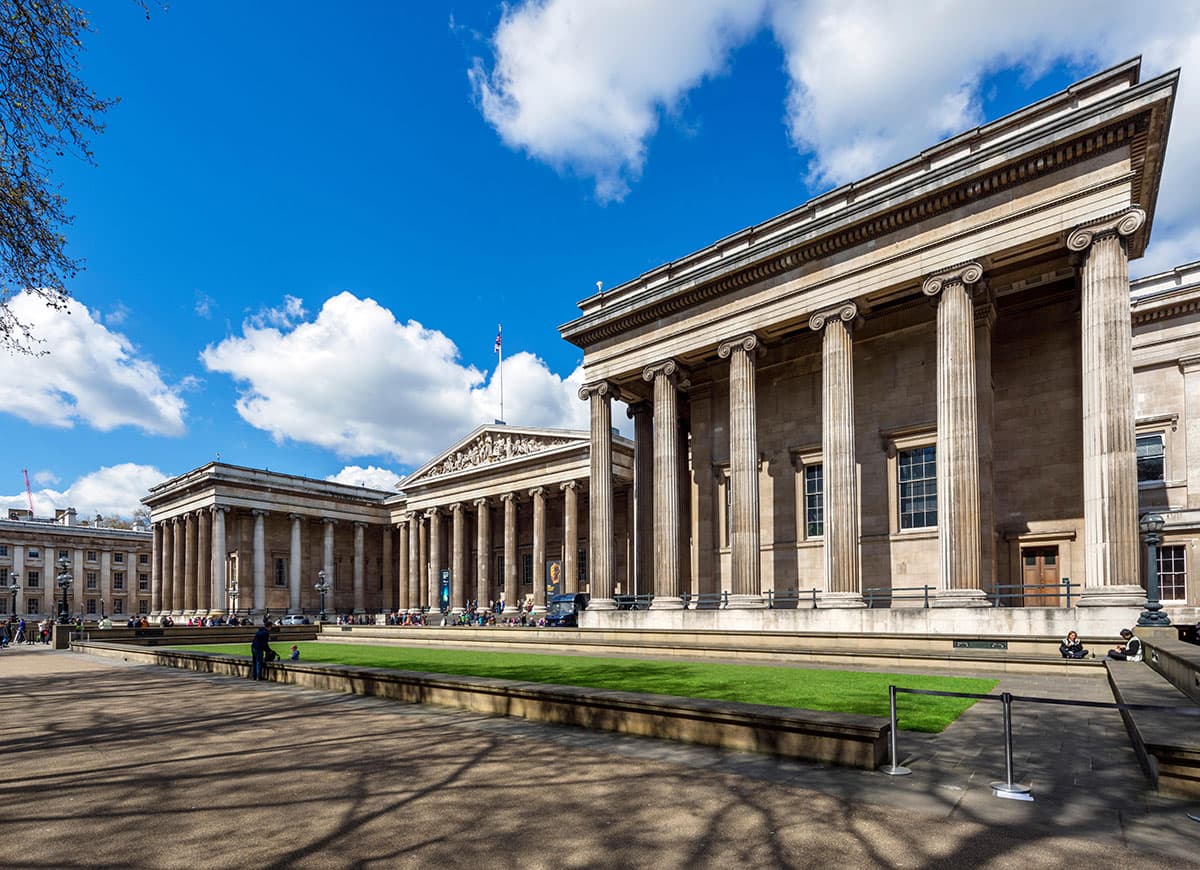
The British Museum intends to repatriate to Afghanistan a bull sculpture belonging to the era of the Kushan Empire, the Guardian writes. This ancient state existed approximately from the first century BC to the beginning of the fourth century ad on the territory of present Central Asia, Afghanistan, Pakistan, and Northern India.
The piece of ancient art was once stored in the national Kabul Museum, which for almost eight decades served as the "golden fund" of the cultural history of Central Asia. About 100,000 exhibits that made up the Museum's collection represented a material "catalog" of the millennial chronicle of trade and economic relations in the vast region.
 But, unfortunately, the civil war that broke out in Afghanistan in the early 1990s destroyed about 75% of Museum cultural stock. Rocket attacks have turned millennium-old historical sites into ruins, allowing looters to plunder and take cultural property abroad. Tens of thousands of artifacts were caught in the illegal trade network.
Among these items was a limestone sculpture of two bulls. First discovered in the 1950s by a French archaeological expedition while excavating a famous archaeological site in northern Afghanistan, the bull figurines were stolen by smugglers in the early 1990s.
But, unfortunately, the civil war that broke out in Afghanistan in the early 1990s destroyed about 75% of Museum cultural stock. Rocket attacks have turned millennium-old historical sites into ruins, allowing looters to plunder and take cultural property abroad. Tens of thousands of artifacts were caught in the illegal trade network.
Among these items was a limestone sculpture of two bulls. First discovered in the 1950s by a French archaeological expedition while excavating a famous archaeological site in northern Afghanistan, the bull figurines were stolen by smugglers in the early 1990s.
 It is not known for sure what the antique value had to go through over the past three decades, but it was spotted on a British auctioneer’s website by the computerized international stolen and lost art database “Art Loss Register”.
The seller immediately relinquished ownership, and the sculpture's status was confirmed by the British Museum. According to the Museum's senior curator, Dr. St. John Simpson, it is "a very well-known, unique piece."
It is not known for sure what the antique value had to go through over the past three decades, but it was spotted on a British auctioneer’s website by the computerized international stolen and lost art database “Art Loss Register”.
The seller immediately relinquished ownership, and the sculpture's status was confirmed by the British Museum. According to the Museum's senior curator, Dr. St. John Simpson, it is "a very well-known, unique piece."
 Initially, the figures were part of a large ceremonial frieze with a relief image of many people and bulls, and are now considered the only element of the original composition, consisting of at least a dozen blocks, the location of which has not yet been identified.
Dating from the II century ad, the frieze decorated the inner sanctuary of the Buddhist temple in Surkh Kotal.
Initially, the figures were part of a large ceremonial frieze with a relief image of many people and bulls, and are now considered the only element of the original composition, consisting of at least a dozen blocks, the location of which has not yet been identified.
Dating from the II century ad, the frieze decorated the inner sanctuary of the Buddhist temple in Surkh Kotal.
 Now the artifact, after a three-month display in the British Museum, will return to its historical homeland and be reunited with another valuable exhibit of the Kabul Museum. This is sculpture of the great Kushan king, Kanishka I, discovered in the same temple in Surkh-Kotal. He was famed in history for his tolerance of faiths.
In recent years, thanks to the efforts of the British Museum, thousands of items that make up the common cultural heritage of Afghanistan and neighboring countries have returned to Kabul. For example, last year, fourth-century Buddhist terracotta heads seized from illegal owners were repatriated to Afghanistan.
Now the artifact, after a three-month display in the British Museum, will return to its historical homeland and be reunited with another valuable exhibit of the Kabul Museum. This is sculpture of the great Kushan king, Kanishka I, discovered in the same temple in Surkh-Kotal. He was famed in history for his tolerance of faiths.
In recent years, thanks to the efforts of the British Museum, thousands of items that make up the common cultural heritage of Afghanistan and neighboring countries have returned to Kabul. For example, last year, fourth-century Buddhist terracotta heads seized from illegal owners were repatriated to Afghanistan.