The art of marketing and arts marketing: USAID opens e-markets for crafts makers
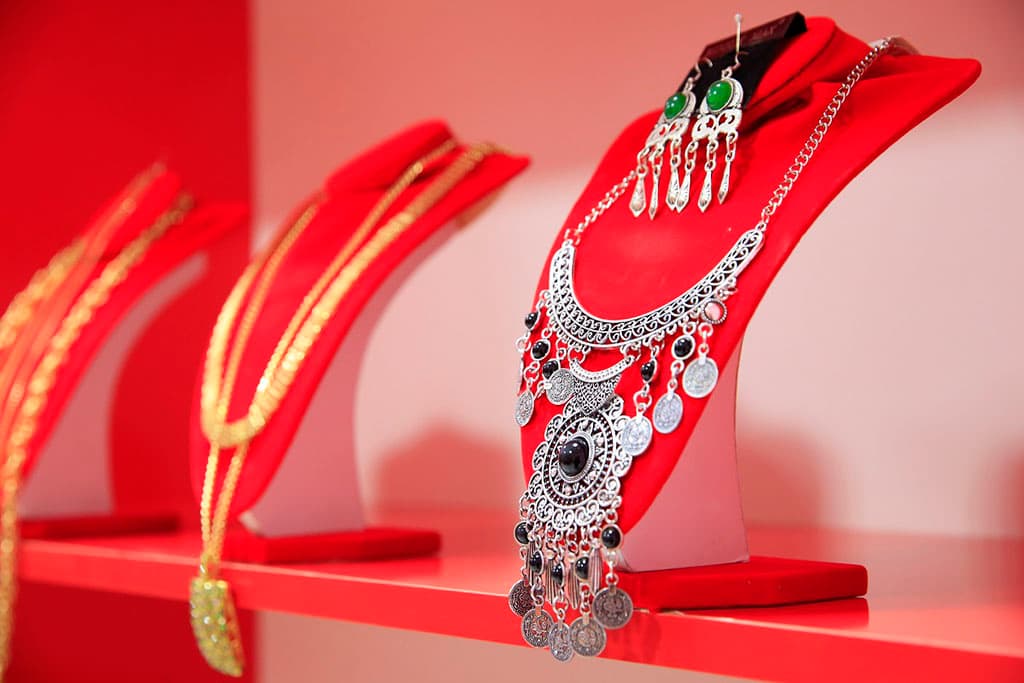
The COVID-19 pandemic exposed Central Asian crafts makers’ dependence on their sales to visiting tourists. As global trade links, including B2C sales, moved online over the past two years, crafts makers of the region – mostly women in rural areas – ended up at a disadvantageous position due to their lack of e-commerce skills, but also because of additional shipment and payments related barriers in Central Asian countries.

USAID’s Future Growth Initiative together with company "Orlan" organised on Tuesday, November 9, the regional webinar titled “Weaving the e-Markets” that brought together 40 crafts makers, merchants, and e-commerce and logistics experts from 10 countries to exchange successful experiences and find new solutions in exporting crafts via digital channels.
Among the specific issues discussed were the most optimal and accessible global B2C and B2B marketplaces for crafts sellers with easy onboarding requirements, reliable payments acceptance services available in Central Asia, and efficient logistics models that reduce delivery times and products’ prime costs.

International speakers from target markets like the U.S. and Europe gave practical pointers on how to sell to western businesses, including boutique shops and hotels.
Transition of business models from traditional trade to use of online markets and solution of issues of logistics and payment will provide craftswomen much wider client base. Including, the organisation of wholesale deliveries of original products to orders and others was the issue of access possibilities to such platforms as Alibaba and eBay.

Among examples of such activity which participants of the webinar have shared, was the first steps of Turkmen sellers of craft production within the project «Handmade Export», organised company "Orlan" with support of USAID’s Future Growth Initiative, including a model of the so-called consolidated transfer of goods.
Looking at the share of growing sector of e-commerce in the world, exporters of handicrafts unite with big portals to promote on foreign markets. There is one more important point: as art crafts are labour-consuming sector, these platforms also will help with further creation of workplaces, thus, preservation of original national traditions and their popularisation in the world. The marketing success of handiwork is important both from the economic point of view, and for continuation of this art form, support of cultural variety on the planet.

Today's business has no geographical borders, and consumers mean the whole world. Supporting business in the sphere of e-commerce, connected with crafts, USAID aspires to increase the volume of international distributions from Central Asia, thereby raising incomes of women and rural people and promoting the growth of well-being of population in the region.
ORIENT news