Central Asia and EU to outline future cooperation agenda
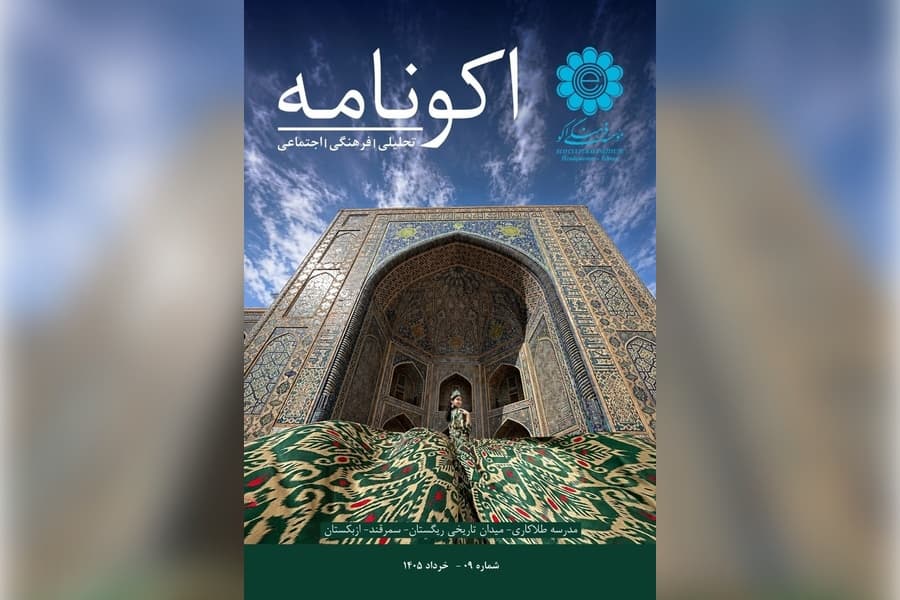
On 10 November, Samarkand will host the 13th annual meeting at the level of foreign ministers in format “European Union-Central Asia”. The EU High Representative for Foreign Affairs and Security Policy, Vice-President of the European Commission, Federica Mogherini, and the European Commissioner for International Cooperation and Development, Neven Mimica will attend this annual meeting.
Central Asia is strategically important for the European Union, Mogherini said in a press release published by the European External Action Service (EEAS). In her opinion, reliable partnership relations have been established between the two regions in such areas as security issues, fight against radicalization and extremism, trade, support for civil society.
Briefly outlining the agenda of the upcoming meeting, she noted that in Samarkand it is planned to analyze the achievements over the past year, as well as to identify new cooperation plans aimed at accelerating growth and stability.
 Representatives of Central Asia and the EU will also touch upon the prospects for expanding economic and trade ties both between the two regions and between the Central Asian nations, security issues ranging from sustainable water management to countering extremism.
The Afghan problem is another burning issue that will be at the center of tomorrow's meeting. “We need to move towards peace, and this requires both active support to the countries of the region and support to the region as a whole from the EU, which the region can rely on”, said Mogherini in an interview with the Uzbek newspaper Gazeta.uz.
According to the EEAS, the EU intends to provide € 1.2 billion in a support to the countries of Central Asia by 2020. In general, EU has financed over 110 projects worth € 230 million in the region.
The EU regional programs are aimed at supporting a wide-scale dialogue between the five Central Asian countries in such areas as energy, transport and communications, ecology, rationalization of natural and water resources, social economic development of the population, cross-border interaction, strengthening of legal systems.
Representatives of Central Asia and the EU will also touch upon the prospects for expanding economic and trade ties both between the two regions and between the Central Asian nations, security issues ranging from sustainable water management to countering extremism.
The Afghan problem is another burning issue that will be at the center of tomorrow's meeting. “We need to move towards peace, and this requires both active support to the countries of the region and support to the region as a whole from the EU, which the region can rely on”, said Mogherini in an interview with the Uzbek newspaper Gazeta.uz.
According to the EEAS, the EU intends to provide € 1.2 billion in a support to the countries of Central Asia by 2020. In general, EU has financed over 110 projects worth € 230 million in the region.
The EU regional programs are aimed at supporting a wide-scale dialogue between the five Central Asian countries in such areas as energy, transport and communications, ecology, rationalization of natural and water resources, social economic development of the population, cross-border interaction, strengthening of legal systems.