Earth Day: will our planet remain the cradle of mind?
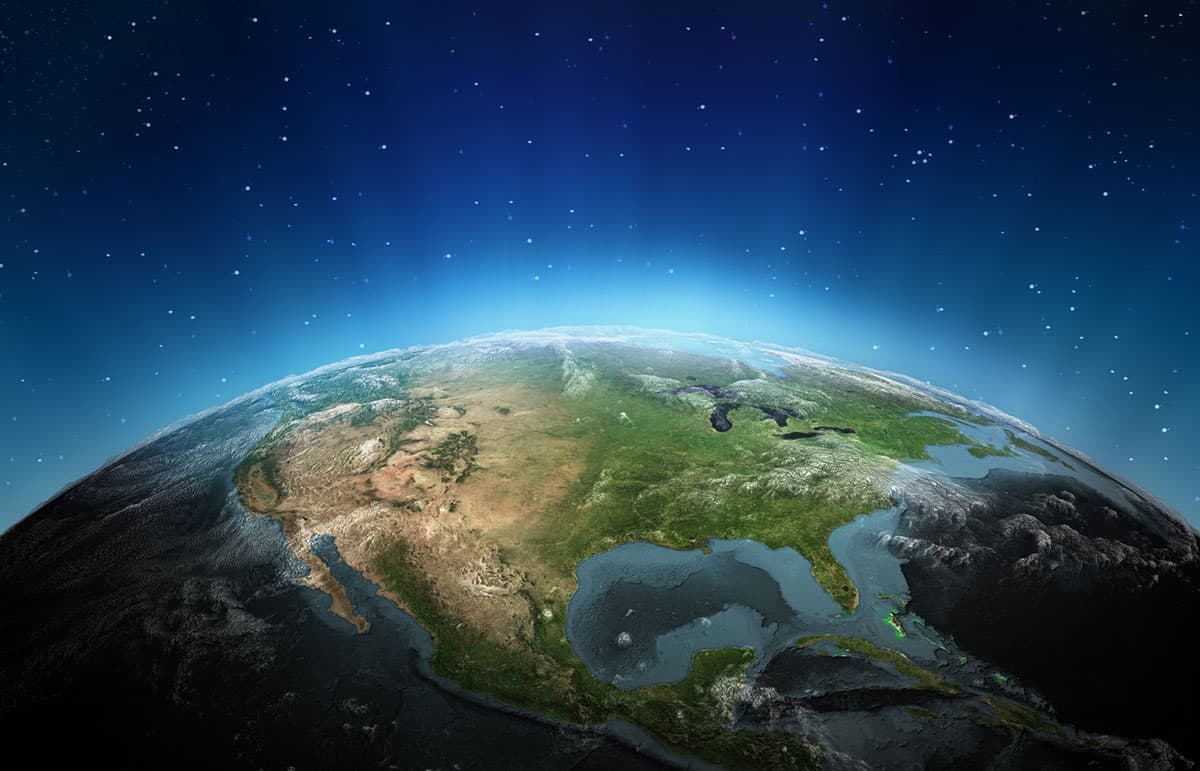
Every year, the world’s inhabitants come together to celebrate Earth Day and thus pay our respects to the fragile nature of the planet, which is constantly suffering from human actions. Earth Day in 2020 falls on Wednesday, April 22.
This event symbolizes concern for the planet, a common home for humanity to be protected. The holiday has an obvious environmental focus, and although it was officially established by a UN Resolution not so long ago, it has been celebrated by environmental activists for half a century.
Exactly 50 years ago, students of American universities took participation in demonstrations to demand decisive measures from the government to conserve nature. The main theme of the current Earth Day is climate campaigns.
Comment by Earth Day Network President Kathleen Rogers: “There are no states that always behave in compliance with environmental regulations. Our mission is, above all, awareness-raising. We explain what happens if rough steps are taken towards nature. We tell that we need swamps, our lives and the lives of our children depend on air quality and purity. It is very important to explain to future generations that preserving the ecology is becoming one of the main responsibilities of mankind”.
 The COVID-19 pandemic and the isolation associated with it made adjustments to the format of events. These all have been transferred in one or another form to virtual space.
Kathleen Rogers continues the theme: “Today we are all nervous, we are worried about salary, pension. But these are our worries. And there is, for example, India, where people worry about whether there will be food, and if water is potable. And we have to understand that we are all parts of the same humanity, and we come together to think jointly about the future which is one for all of us”.
This is a critical time on the planet: a pandemic is testing the strength of humanity, who, experts believe, have sometimes very consuming attitude towards nature.
Petteri Taalas, Secretary General of the World Meteorological Organization, is disappointed: “I do not see positive trends that would change the focus, and this has been lasting for several decades. We have to think about how and with what we will feed the growing population of the Earth tomorrow, at the same time trying to protect nature. There are, certainly, a number of positive factors, but negative trends should now be taken into account in the first instance”.
Father of astronautics Konstantin Tsiolkovsky said that the Earth is the cradle of mind. Whether this cradle is preserved for future generations depends, as environmentalists believe, on each of us.
The COVID-19 pandemic and the isolation associated with it made adjustments to the format of events. These all have been transferred in one or another form to virtual space.
Kathleen Rogers continues the theme: “Today we are all nervous, we are worried about salary, pension. But these are our worries. And there is, for example, India, where people worry about whether there will be food, and if water is potable. And we have to understand that we are all parts of the same humanity, and we come together to think jointly about the future which is one for all of us”.
This is a critical time on the planet: a pandemic is testing the strength of humanity, who, experts believe, have sometimes very consuming attitude towards nature.
Petteri Taalas, Secretary General of the World Meteorological Organization, is disappointed: “I do not see positive trends that would change the focus, and this has been lasting for several decades. We have to think about how and with what we will feed the growing population of the Earth tomorrow, at the same time trying to protect nature. There are, certainly, a number of positive factors, but negative trends should now be taken into account in the first instance”.
Father of astronautics Konstantin Tsiolkovsky said that the Earth is the cradle of mind. Whether this cradle is preserved for future generations depends, as environmentalists believe, on each of us.
ORIENT news