Orientalists commemorate Saadi Shirazi’s Memorial Day
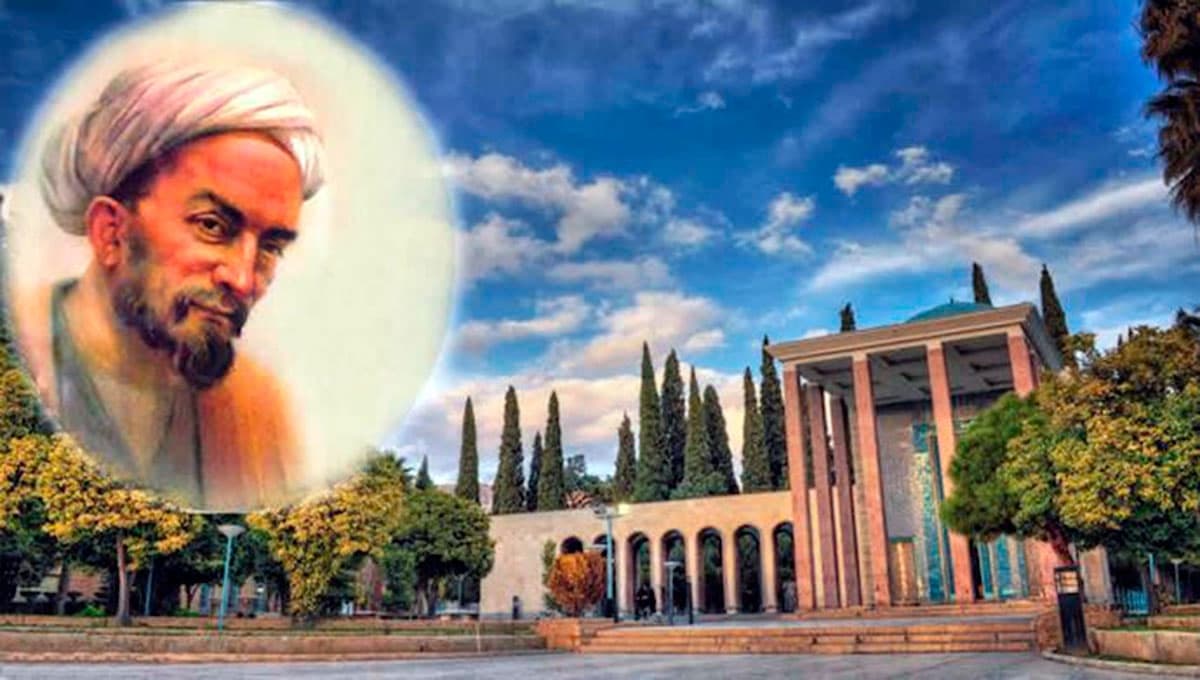
The declared by UNESCO Memorial Day of outstanding poet, humanist and thinker of the Middle Ages Saadi Shirazi was commemorated in Iran and in the Moscow State Linguistic University.
Great artist in words Abu-Muhammad Muslih al-Din bin Abdallah, known as Saadi Shirazi, is one of the most famous Persian and world poets.
There are stories that Saadi had visited many cities and countries of the world, including India. It is estimated that his great journey could last almost 30 years.
The most famous work by Saadi is considered “Gulistan” (Rose Garden). Part of the book is written in verses, and the other part is in rhymed prose.
Saadi spent the last years of his life in seclusion in his homeland where he was engaged in prayers and religious service. Researchers have established the exact date of his death - December 9, 1292. He was buried in Shiraz, where the mausoleum, built in the 50s of the last century, is now buried in roses, reminding the poet’s fans of the great “Gulistan”.
 Today, lines from Saadi’s poem “Bani Adam” adorn the pediment of the UN Headquarters in New York with golden letters.
The children of Adam are the members of each other, who are in their creation from the same essence. When day and age hurt one of these members, other members will be left (with) no serenity. If you are unsympathetic to the misery of others, it is not right that they should call you a human being.
Persian literature is a tremendous spiritual wealth, which was appreciated by the classics of West European and Russian literature. Under her influence, Goethe wrote his famous “West-Eastern Divan” and, in his personal assessment, put the services of some Persian poets in development of world literature even higher than his own. Pushkin wrote: “Hafiz and Saadi... are the known names”. And he knew not just names. Pushkin knew and appreciated their works. Many of his works are imbued with the Spirit of the East, the imagery of Persian literature. The classical poetry of Ancient Persia was seriously studied by L.N. Tolstoy. He particularly liked Saadi’s stories and sayings on moral topics. He used some of them when compiling his “Russian Books for Reading”. Influence of Hafiz for a long time took possession of A. Fet, who left a wonderful arrangement of his gazelles. And, finally, the “Persian motifs” by S. Yesenin are related in their spirit and lyricism to Hafiz, although the poet mentioned te names of Firdousi, Khayyam and Saadi.ORIENT news