Turkmenistan to accede to International Copyright Convention
Turkmenistan would accede to the treaties of the World Intellectual Property Organization (WIPO) – Rome Convention for the Protection of Performers, Producers of Phonograms and Broadcasting Organizations and the Marrakesh Treaty to Facilitate Access to Published Works for Persons Who Are Blind, Visually Impaired or Otherwise Print Disabled.
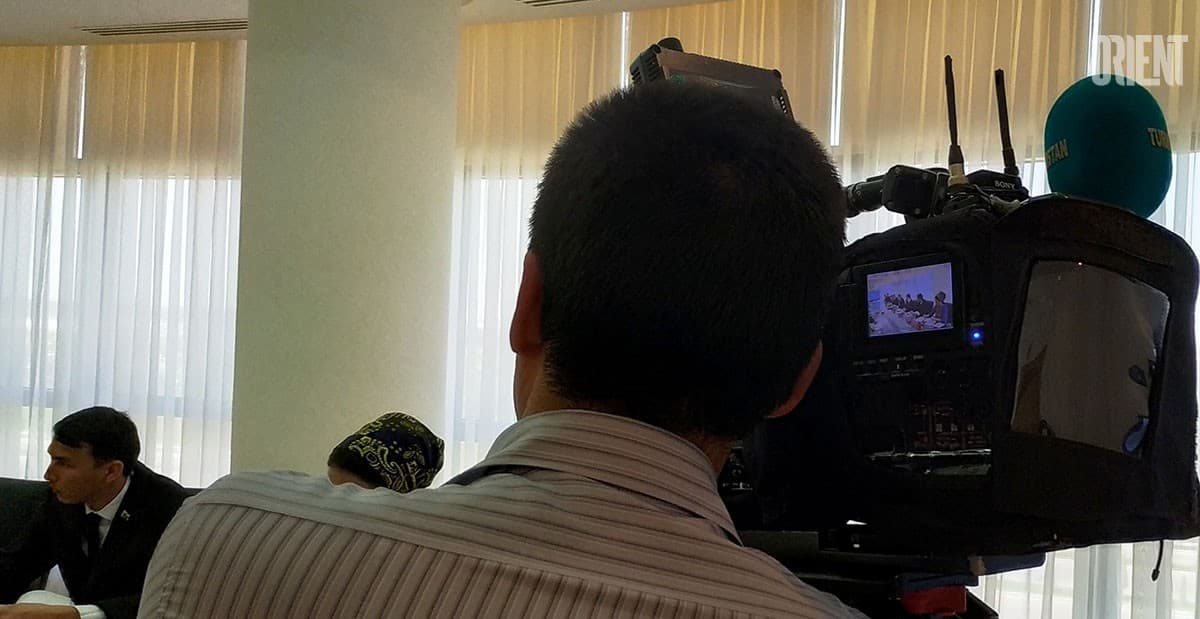
The specialists of the State Intellectual Property Service under the Ministry of Finance and Economy of Turkmenistan discussed these documents today during the video conference meeting with the WIPO experts – Ilya Gribkov and Rafael Vazquez. The parties considered the mechanisms of the treaties and the specifics of their adoption and performance.
Those speaking during the videoconference meeting underlined that the Rome Convention is a supplement to the Berne Convention for the Protection of Literary and Artistic Works, and Turkmenistan has been its contracting party since 2016. The Rome Convention secures protection in performances for performers, in phonograms for producers of phonograms and in broadcasts for broadcasting organizations (radio and TV) from the unauthorized use of their products for various purposes. It applies to the use of audio, audiovisual, visual materials for commercial purposes to make a profit.
 The Marrakesh Treaty, on the contrary, creates a set of mandatory limitations and exceptions for the benefit of the blind, visually impaired, and otherwise print disabled. If works published and reproduced in accessible formats like Braille, audio, and digital copies, then copyrights to reproduce, distribute and make them available to the public are limited.
At the same time, the Marrakesh Treaty protects the authors and copyright holders discouraging unauthorized uses of copies, and maintaining “due care” in handling copies of works. For this, it is necessary to create an authorized body, which, among other duties, will have access to the authors and enlist their consent, be engaged in the creation of specialized materials and their non-commercial distribution – national, cross-border and international.
In addition, the participants of the videoconference meeting discussed the issues related to teaching the basics of intellectual property in the higher education institutions of Turkmenistan and facilitating the provision of information on licensing and patenting, professional development of experts and their participation in various international educational programs to the wider public.
The Marrakesh Treaty, on the contrary, creates a set of mandatory limitations and exceptions for the benefit of the blind, visually impaired, and otherwise print disabled. If works published and reproduced in accessible formats like Braille, audio, and digital copies, then copyrights to reproduce, distribute and make them available to the public are limited.
At the same time, the Marrakesh Treaty protects the authors and copyright holders discouraging unauthorized uses of copies, and maintaining “due care” in handling copies of works. For this, it is necessary to create an authorized body, which, among other duties, will have access to the authors and enlist their consent, be engaged in the creation of specialized materials and their non-commercial distribution – national, cross-border and international.
In addition, the participants of the videoconference meeting discussed the issues related to teaching the basics of intellectual property in the higher education institutions of Turkmenistan and facilitating the provision of information on licensing and patenting, professional development of experts and their participation in various international educational programs to the wider public.