UN Secretary-General: Put women and girls at centre of COVID-19 recovery
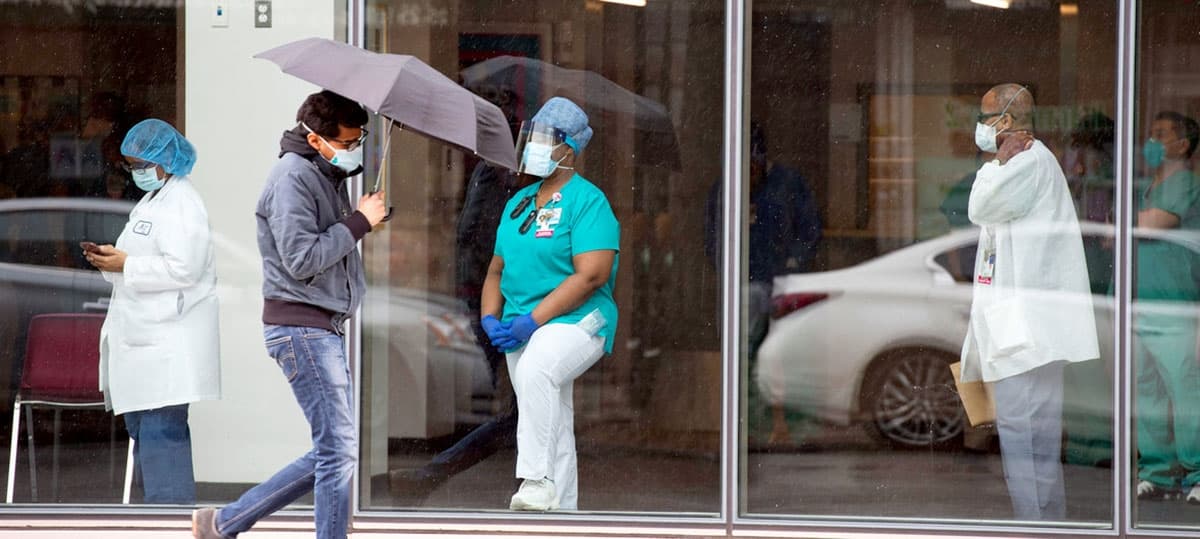
Under threat of COVID-19 pandemic, everyone is equal, we often hear today. Yes and no. The UN Secretary General drew attention that the pandemic is having devastating consequences for women and girls, including in healthcare, economy, security and social protection, the UN information Internet portal reports. In a policy brief launched on Thursday, the UN chief António Guterres urged all governments to put women’s safety first as they respond to the pandemic and at the centre of their efforts to recover from COVID-19. “Measures to protect and stimulate the economy, from cash transfers to credits and loans, must be targeted at women,” the UN Secretary General said, adding that “unpaid care work must be recognized and valued as a vital contribution to the economy.” “Nearly 60 per cent of women around the world work in the informal economy, earning less, saving less, and at greater risk of falling into poverty,” the UN head said. As markets fall and businesses close, millions of women’s jobs have disappeared. At the same time as they are losing paid employment, women’s unpaid care work has increased exponentially as schools switch to distance learning, most older parents’ care responsibilities increase, and the responsibility often falls on women. Many of these women are now trapped at home with their abusers, struggling to access services that are suffering from cuts and restrictions. On Monday, the Secretary-General in a special statement appealed to governments to take urgent steps to protect women and expand support services. It was a kind of dire warning: now, as coronavirus spreads and self-isolation measures are imposed in many countries restricting movement, added to the social and economic stresses brought by the crisis, the UN says the number of women and girls facing abuse has increased in almost all countries. Meanwhile, Ambassadors from 124 UN Member States and Observers have answered the Secretary-General’s recent call to address the surge in domestic violence in the pandemic. These countries have committed to making prevention and redress of gender-based violence a key part of their national COVID-19 response plans. “More than ever, there needs to be zero tolerance for domestic violence”, the ambassadors wrote in a letter to the UN chief. The authors added that women are “not just victims” in the crisis; they also play a major role in COVID-19 response. “Nearly 70 per cent of frontline health and social workers are women”, the letter said. “We must therefore ensure women are included in all response and COVID-19 recovery decisions,” the authors underline. According to António Guterres, “gender equality and women’s rights are essential to getting through this pandemic together, to recovering faster, and to building a better future for everyone”.