Parthian Nisa and Korean Namhansanseong - ancient guardians of peace and prosperity

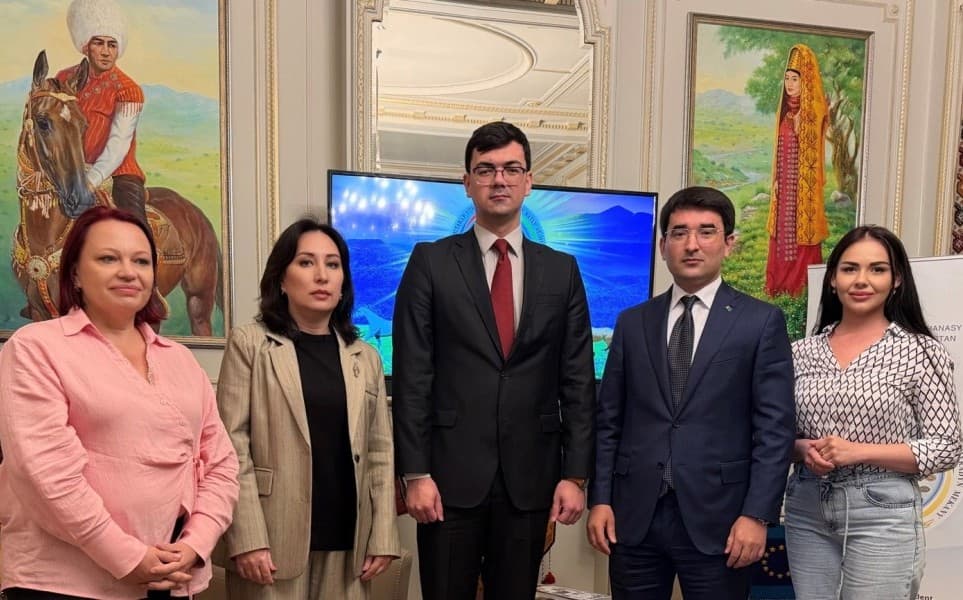
There is a diplomatic corps in each capital, representing its countries and promoting the cultural flavor of its people. Recently, the leading Korean English-language newspaper “Korea JoongAng Daily” spoke with the Ambassador of Turkmenistan Myrat Mammetalyyev and his wife Tazegul Mammetalyyeva on the historic path that Ashgabat and Seoul, as well as their suburbs, overcame, turning into centers of centuries-old traditions and modernity.
The conversation was held under the frame of series of articles “Capital Connections”, in which ambassadors of foreign countries are invited to tell about their favorite attractions of Seoul, drawing parallels with their native capitals. The purpose of this media action is to bring together readers who are at different points of the globe, which is our common home.
The Turkmen envoy told the Korean audience about the ancient settlement of Nisa, the center of the great Parthian Empire. The city, founded in the III century BC, during the next six centuries served as the capital of several dynasties, and in the Middle Ages it was considered one of the main trade centers of the Great Silk Road.
The ruins of the Parthian fortresses of the old and new Nisa, millennia proudly standing under the scorching sunlight and sparkling stars, keep the imperishable memory of the glorious feats and economic achievements of the Parthian power, which in history was an example of a harmonious combination of Eastern and Mediterranean culture. The fortress at Nisa was declared a World Heritage Site by UNESCO in 2007.
There are tens of thousands of kilometers between Nusai and the ancient Korean fortress of Namhansanseong, which is also a UNESCO cultural heritage site.
The citadel of Namhansanseong (which means “South Han Mountain”) located 25 kilometers southeast of Seoul, for many centuries since its construction in 1624, was the emergency administrative center and defensive facade of the Korean kingdom of Joseon (1392-1910). The powerful walls of the outpost hid from the Manchurian and Mongol conquerors not only the ruling court, but also ordinary peasants.
 In the 1960s, the fortress was declared a national park and its full-scale restoration began. Now, along with the ruins of temples, embodying the best traditions of Korean, Japanese and Chinese medieval architecture, the park is home to cozy cafes and restaurants. “t’s interesting, because if the fortresses of Nisa kept off the foreign powers, including the Roman Empire, from expanding in the region, then it looks like the Namhansanseong also served a similar purpose in trying to ward off foreign expansions”, Ambassador Mammetaliev said, commenting on the similarity of the historical missions of the two bastions.
Talking about the tourist potential of Turkmenistan, the high-ranking diplomat noted that in our country there are more than 1300 historical and archaeological monuments. Along with Nisa, another popular place is the UNESCO World Heritage Site - Ancient Merv. This archaeological park is one of the oldest and well-preserved oasis cities along the routes of the Great Silk Road in Central Asia.
In the 1960s, the fortress was declared a national park and its full-scale restoration began. Now, along with the ruins of temples, embodying the best traditions of Korean, Japanese and Chinese medieval architecture, the park is home to cozy cafes and restaurants. “t’s interesting, because if the fortresses of Nisa kept off the foreign powers, including the Roman Empire, from expanding in the region, then it looks like the Namhansanseong also served a similar purpose in trying to ward off foreign expansions”, Ambassador Mammetaliev said, commenting on the similarity of the historical missions of the two bastions.
Talking about the tourist potential of Turkmenistan, the high-ranking diplomat noted that in our country there are more than 1300 historical and archaeological monuments. Along with Nisa, another popular place is the UNESCO World Heritage Site - Ancient Merv. This archaeological park is one of the oldest and well-preserved oasis cities along the routes of the Great Silk Road in Central Asia.
 Tyazegul Mammetalyyeva advised foreign guests to visit museums, parks and entertainment centers in the white marble capital of Turkmenistan, for example, a carpet museum, a national museum, Alem cultural and entertainment center. Fans of active leisure can get bright impressions from visiting the Karakum desert, falconry, horseback riding.
Diplomatic relations between Turkmenistan and Korea were established in February 1992. The Embassy of Turkmenistan was opened in Seoul in 2013. Myrat Mammetalyyev represent our country in South Korea since 2014.
Tyazegul Mammetalyyeva advised foreign guests to visit museums, parks and entertainment centers in the white marble capital of Turkmenistan, for example, a carpet museum, a national museum, Alem cultural and entertainment center. Fans of active leisure can get bright impressions from visiting the Karakum desert, falconry, horseback riding.
Diplomatic relations between Turkmenistan and Korea were established in February 1992. The Embassy of Turkmenistan was opened in Seoul in 2013. Myrat Mammetalyyev represent our country in South Korea since 2014.