||

On March 23-24, the capital of Uzbekistan became the center of discussions on food strategy as part of the "Italy – Central Asia (C5) + Azerbaijan" business forum. The two-day meeting, attended by Italian Agriculture Minister Francesco Lollobrigida and heads of relevant regional agencies, concluded with the adoption of a final communiqué. This document outlines the transition from traditional farming to a regenerative agriculture model that prioritizes innovation, digitalization, and adaptation to climate challenges.
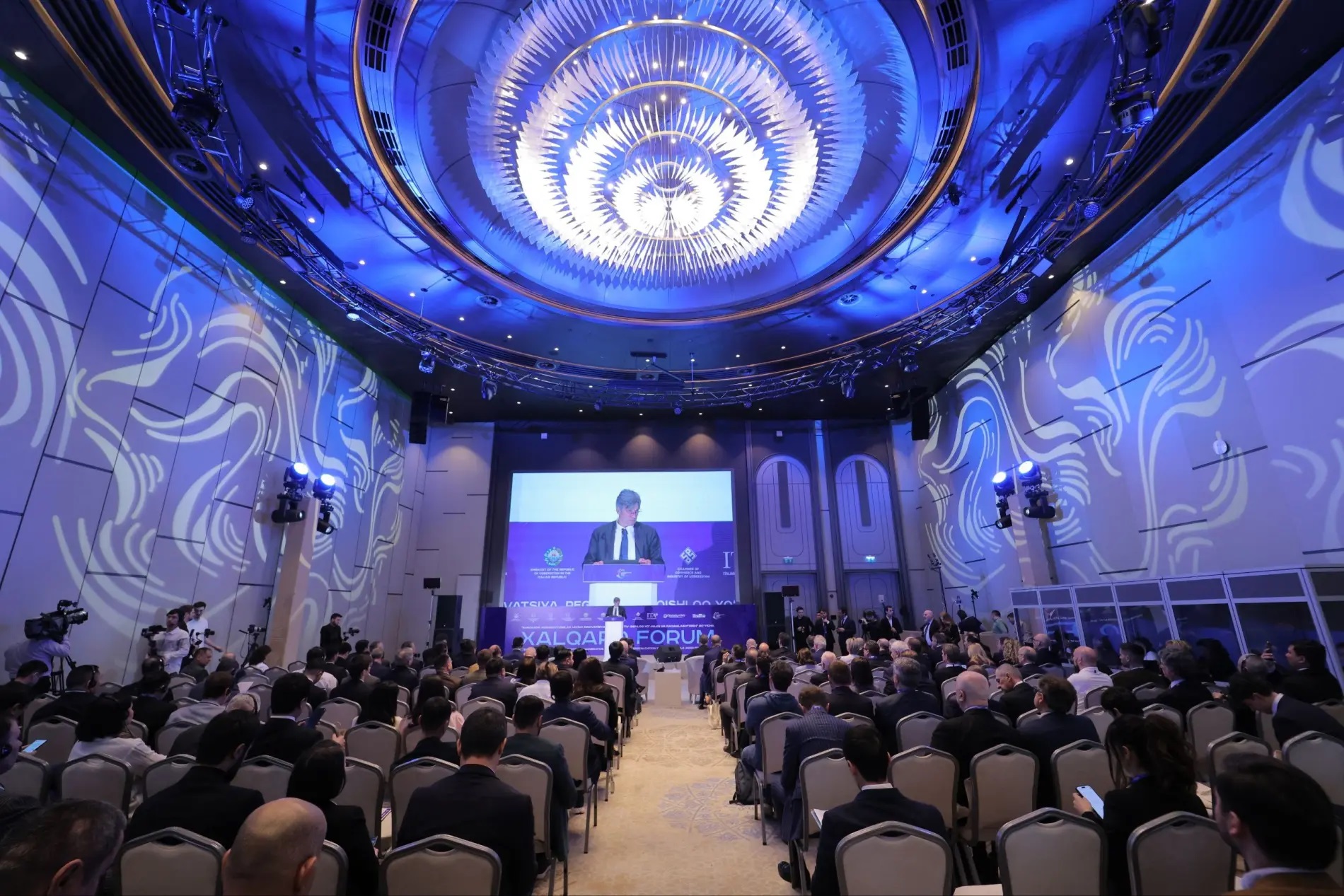
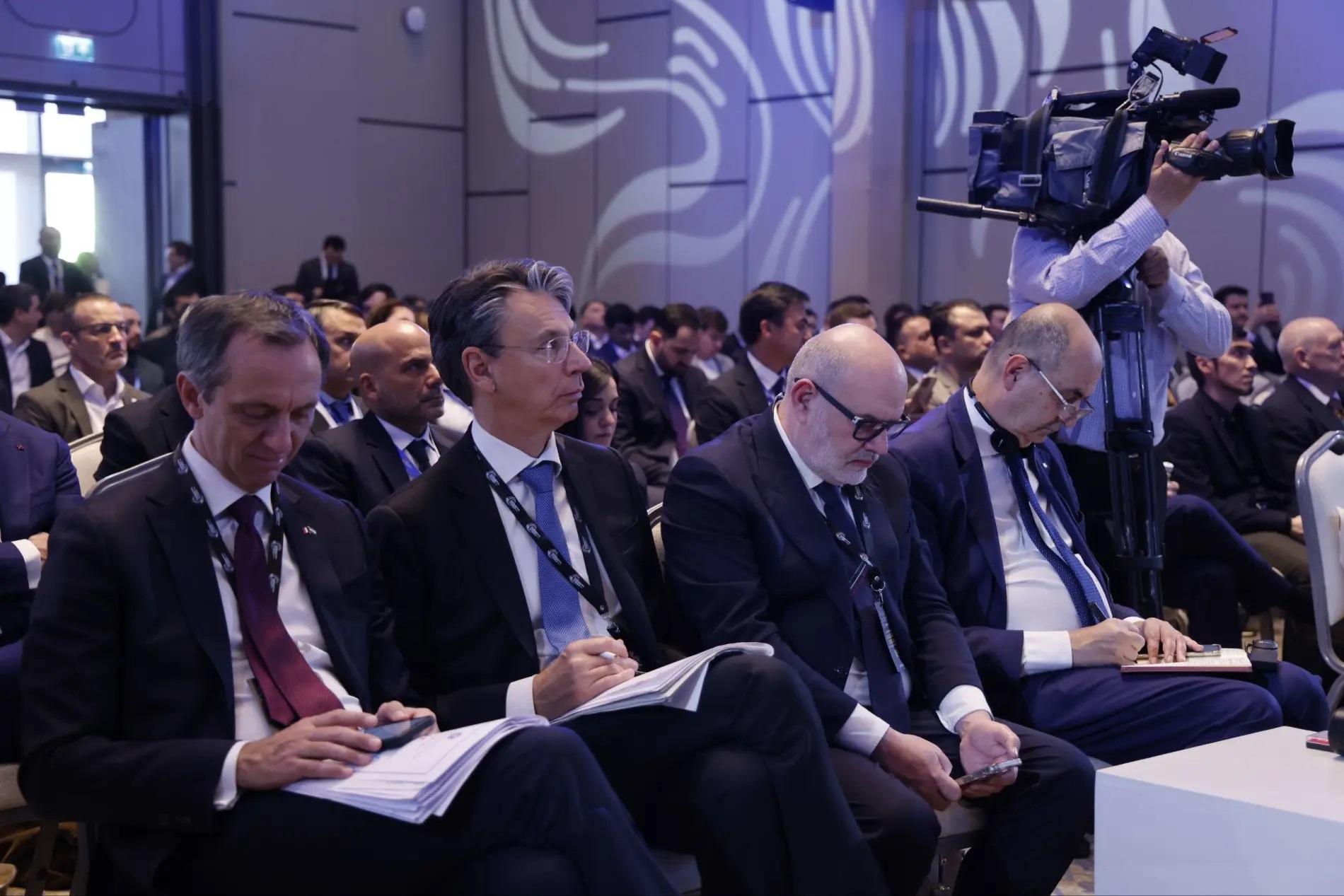
The central theme of the discussions was the creation of sustainable agroecosystems capable of ensuring the region's food sovereignty in the face of water scarcity. Forum participants from Turkmenistan, Kazakhstan, Kyrgyzstan, Tajikistan, and Azerbaijan, together with Italian experts, identified steps to attract investment in high-tech projects. The final document places particular emphasis on rational land use and the implementation of IT solutions that minimize losses and optimize production cycles in the agricultural sector.
On the sidelines of the forum, a bilateral meeting was held between Berkeli Berkeliev, Deputy Minister of Agriculture of Turkmenistan, and Ibrohim Abdurakhmanov, Minister of Agriculture of Uzbekistan. The dialogue between representatives of the two neighboring countries addressed the most sensitive and promising areas of growth. Specifically, the parties agreed to expand cooperation in cotton seed production. This includes not only supplies but also a scientific approach to regional variety distribution, taking into account soil and climate conditions, as well as the introduction of high-yielding, drought-resistant crops.
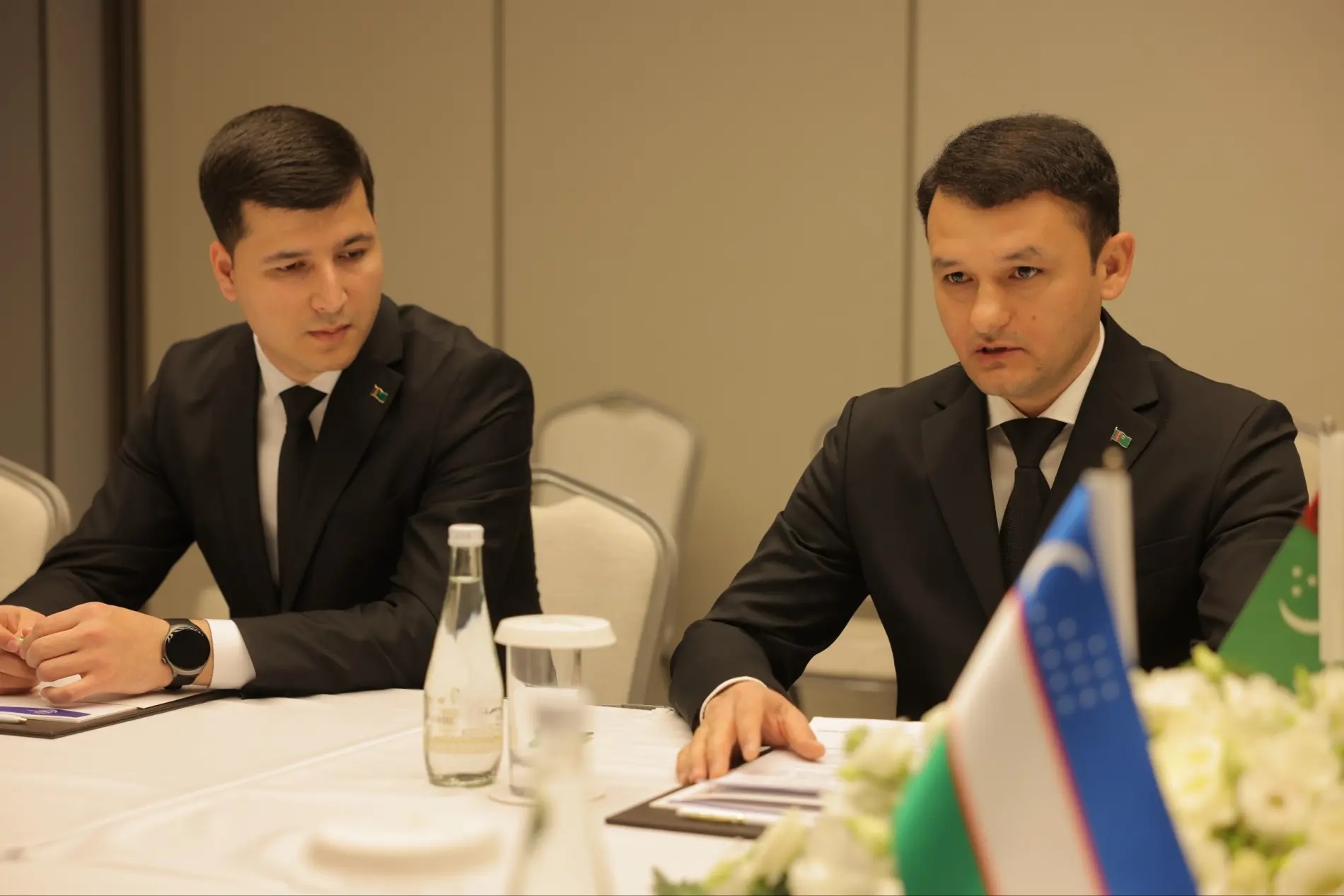
An important area of cooperation between Ashgabat and Tashkent will be the launch of pilot projects to improve farmer skills. Training in modern agricultural technologies and digital field monitoring methods is seen as a key tool for increasing the export potential of both countries. The parties confirmed that accelerating digital transformation and sharing best practices in smart agriculture will form the foundation for a long-term and mutually beneficial partnership in the agro-industrial complex.





 Chinese New Year