We are guided by what unites people




News
Articles
Media
Announcement
 Chinese New Year
Technology
About Us
Contacts
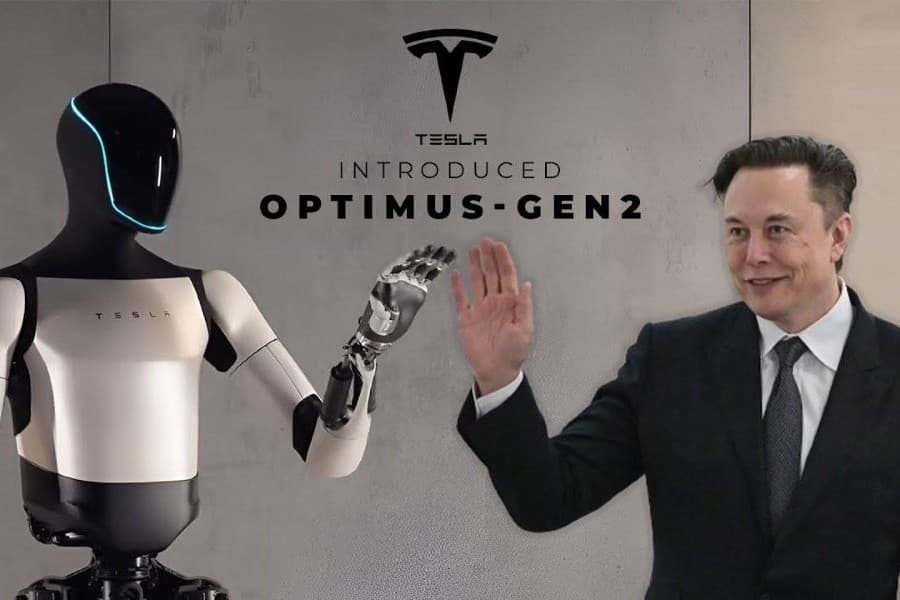
Chinese New Year Tesla CEO Elon Musk has announced the creation of a unique “school” for humanoid robots. At a specialized training ground, between 10,000 and 30,000 androids will practice performing everyday tasks while competing with one another. The goal of the project is to bring machine skills to full automation using principles similar to professional athletic training.
The project is based on the method of “self-play.” Artificial intelligence improves through millions of attempts to solve the same task. A key feature is shared collective experience: once one physical robot discovers an efficient way to move or grasp objects, that skill is instantly transmitted across the entire network.
At the same time, millions of virtual twins operate in a digital environment. They undergo the same tests at accelerated speed, helping the system identify the correct action algorithms more quickly.
The main challenge for engineers is teaching robots to cope with the unpredictability of the real world — such as slippery floors or fragile objects. Musk plans to address this issue through continuous data exchange. Physical robots supply information about real-world conditions, while virtual models instantly process millions of possible solutions.
Musk envisions Optimus robots not merely as assistants, but as devices capable in the future of reproducing themselves and building infrastructure on other planets. To power these ambitions, Tesla and SpaceX plan to produce 100 gigawatts of solar panels annually, enough to meet the energy demands of future space-based data centers.
Despite the ambitious plans, the market reacted cautiously: Tesla shares fell by 2.17% following the interview. Investors remain careful in assessing the company’s long-term projects, which require enormous resources.
ORIENT