We are guided by what unites people




News
Articles
Media
Announcement
 Chinese New Year
Technology
About Us
Contacts
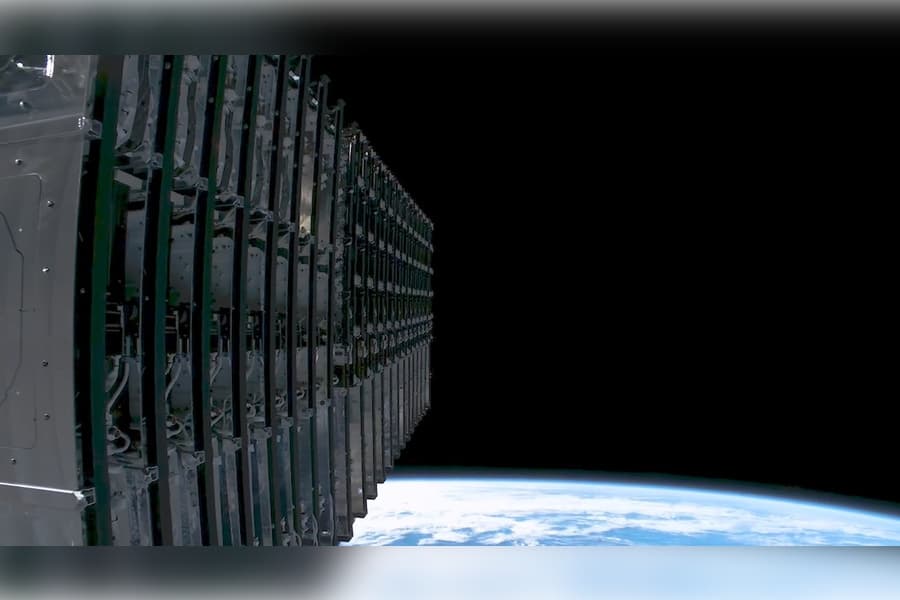
Chinese New YearThe U.S. Federal Communications Commission (FCC) has approved SpaceX’s request to expand its Starlink satellite network. The company is now authorized to deploy an additional 7,500 second-generation (Gen2) satellites into orbit. With this decision, the total number of approved satellites of this class has increased to 15,000.
The new group of satellites will operate in low Earth orbit at altitudes ranging from 340 to 485 kilometers. This choice is deliberate: lower orbits reduce the risk of collisions with other spacecraft and accelerate the deorbiting process of malfunctioning satellites, which fully burn up in the atmosphere.
The regulator thoroughly assessed potential risks and confirmed that the dense Starlink constellation will not interfere with satellites operating at higher orbits. A key factor in the approval was the improved reliability of SpaceX’s technology. While six failures per year were recorded for first-generation satellites, only two malfunctions have been identified among the newer Gen2 units.
Currently, SpaceX operates the world’s largest satellite constellation, with 9,500 active satellites. By comparison, the second-largest operator, OneWeb, has only 654 satellites. Despite growing competition from Amazon and Chinese projects, the phased approval of launches allows SpaceX to maintain its leadership and continuously improve the quality of global internet coverage.
For users, this means further improvements in the stability and speed of satellite internet worldwide, as the system becomes denser and more technologically advanced.
ORIENT