We are guided by what unites people




News
Articles
Media
Announcement
Technology
About Us
Contacts

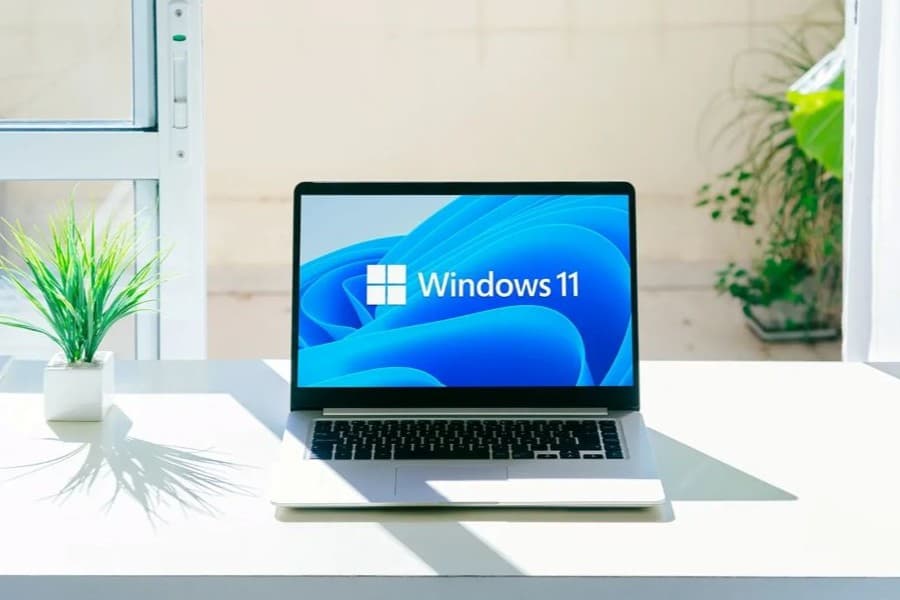
This spring, Microsoft is set to release a new version of its operating system — Windows 11 26H1. However, most users of standard personal computers will not receive it. For the first time in its history, the company is making the launch exclusive: the system is designed only for new devices powered by Qualcomm’s Snapdragon X2 processors.
Unlike previous updates, Windows 11 26H1 is built on an entirely new codebase called Bromine. This is not merely a cosmetic change — the new architecture promises improved performance and stability. Owners of the latest laptops, such as the Asus ZenBook A14 and A16, will be the first to experience these benefits. At the same time, similar models based on Intel and AMD processors will continue running the current version of the platform.
The reason behind this decision lies in the mismatch between hardware and software release schedules. Qualcomm’s new chips require specific software adaptations right now, while the main annual Windows update for all other computers is scheduled only for the fall.
To avoid releasing an unfinished product to the entire user base ahead of schedule, Microsoft has chosen to make the spring release an interim solution exclusively for Arm-based devices. This approach allows manufacturers to bring new PCs to market without delays.
For most PC owners, the situation will remain unchanged. New features will continue to be tested and introduced in the usual manner. The widespread update for all compatible devices is expected to be released in the fall under the designation 26H2. Thus, the spring 26H1 release represents an important technical step toward the development of powerful and energy-efficient next-generation laptops, rather than a forced update for everyone.
ORIENT