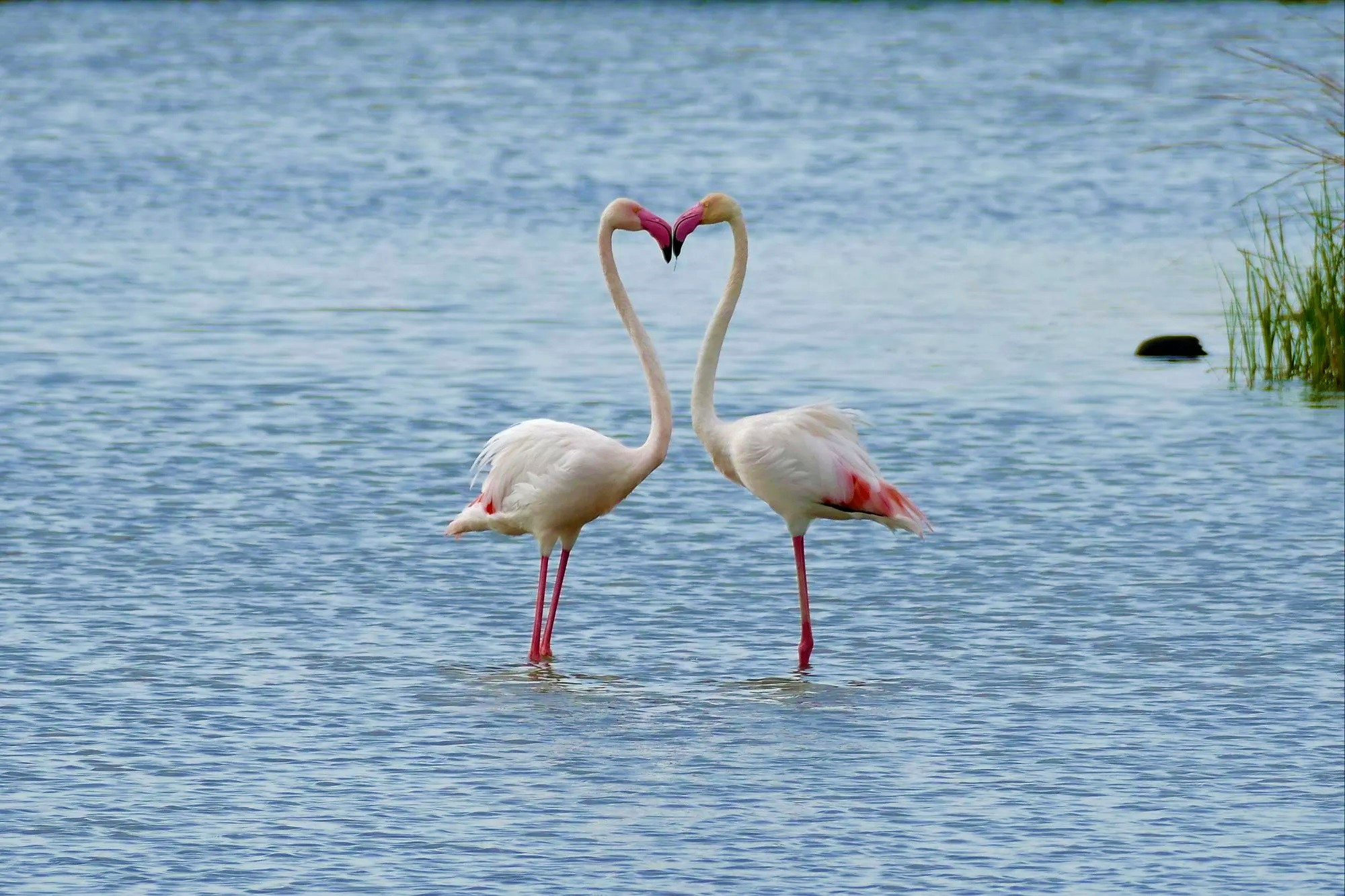
The Caspian Sea once again confirms its status as a crucial crossroads for global bird migration. Its mild climate and abundant food supply transform our coastline into a "rainbow on the water"—that's how ecologists describe the dense flocks of birds that arrive here for the winter.
Ashgabat, December 21 | ORIENT. While cities prepare for New Year's celebrations, nature has created its own unique backdrop in the western region of Turkmenistan. During these winter days, the waters of the Khazar State Nature Reserve have transformed into a gigantic "bird roost," gathering millions of avian travelers.
The main attraction of the protected bays this season has traditionally been pink flamingos. These graceful birds, stretching in a vibrant pink plume for hundreds of meters along the water's edge, create an unforgettable spectacle.
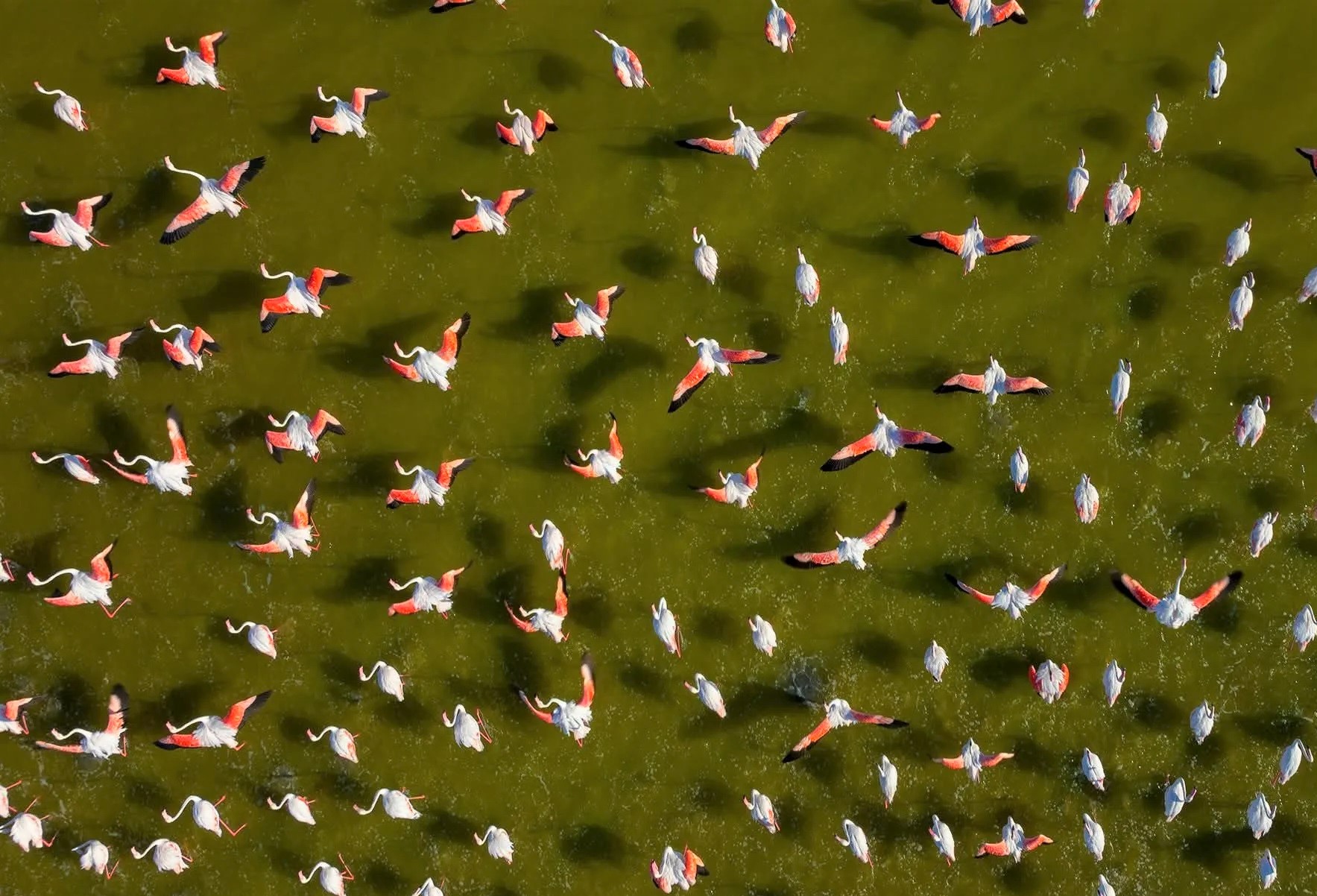
It's fascinating to observe the succession of generations within a flock. Flamingo chicks are born with gray or white plumage, and only over time, thanks to their special marine diet, do they acquire their famous coral-pink hue.
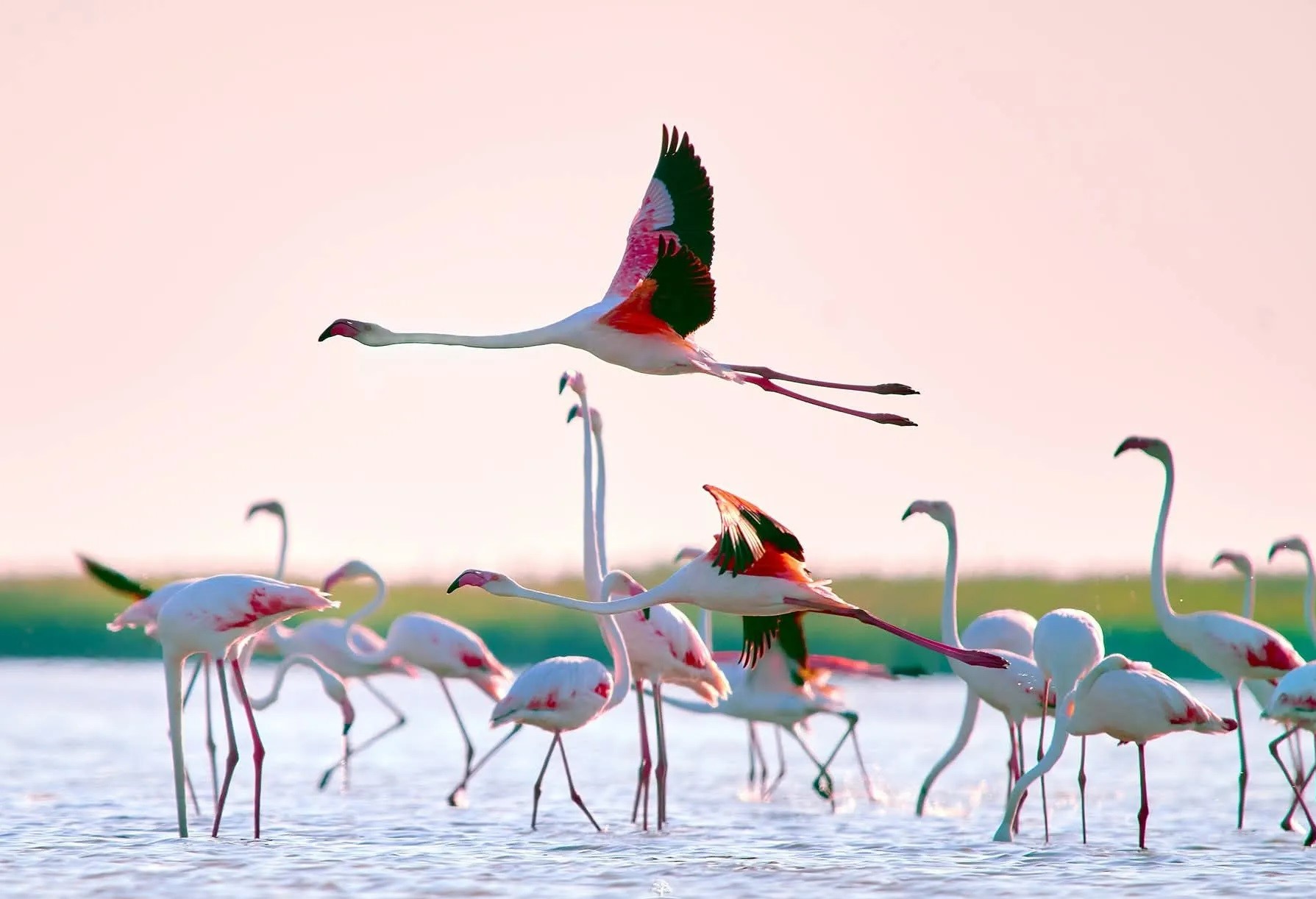
A Red Data Book species in Its Natural Habitat
The Khazar Nature Reserve is more than just a pretty picture; it's a key link in the East African Flyway.
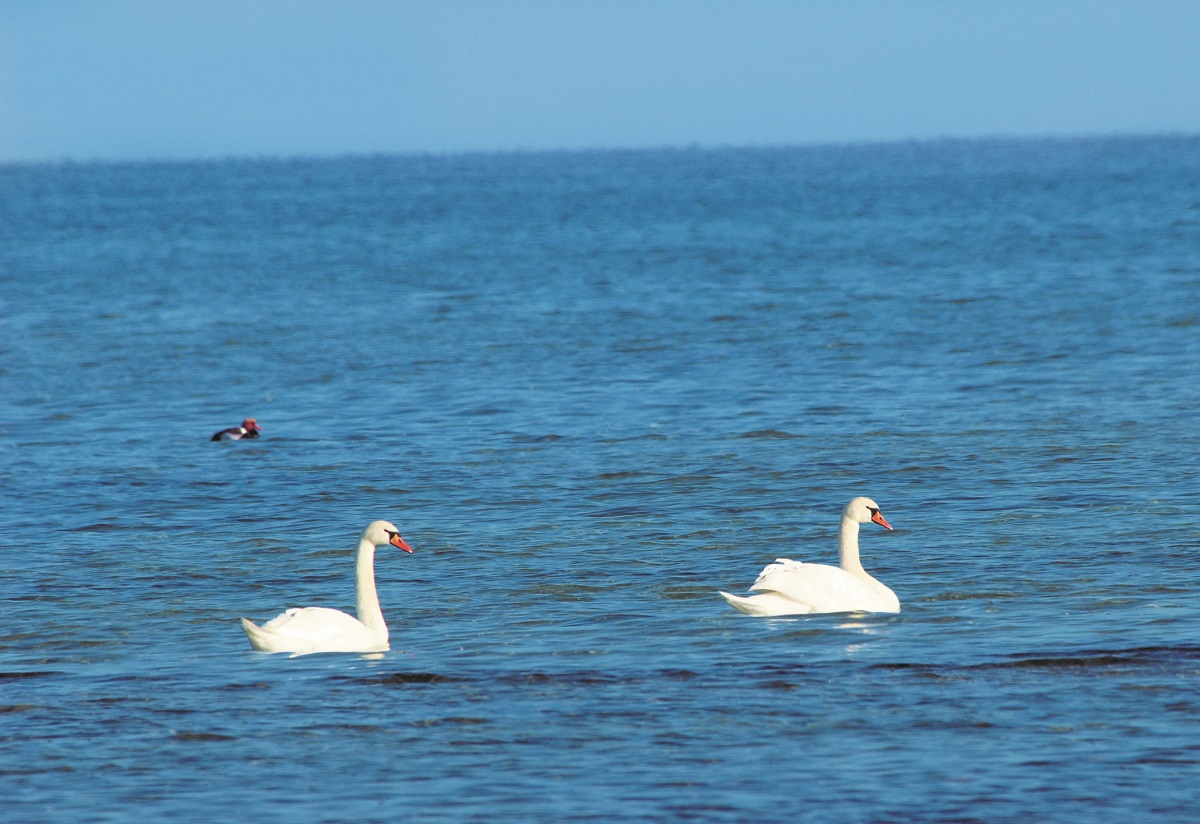
More than 70% of the bird species listed in Turkmenistan's Red Data Book are concentrated here. Today, cameras capture not only flamingos, but also majestic swans, nimble coots, graceful black-winged stilts, and dozens of wild duck species.
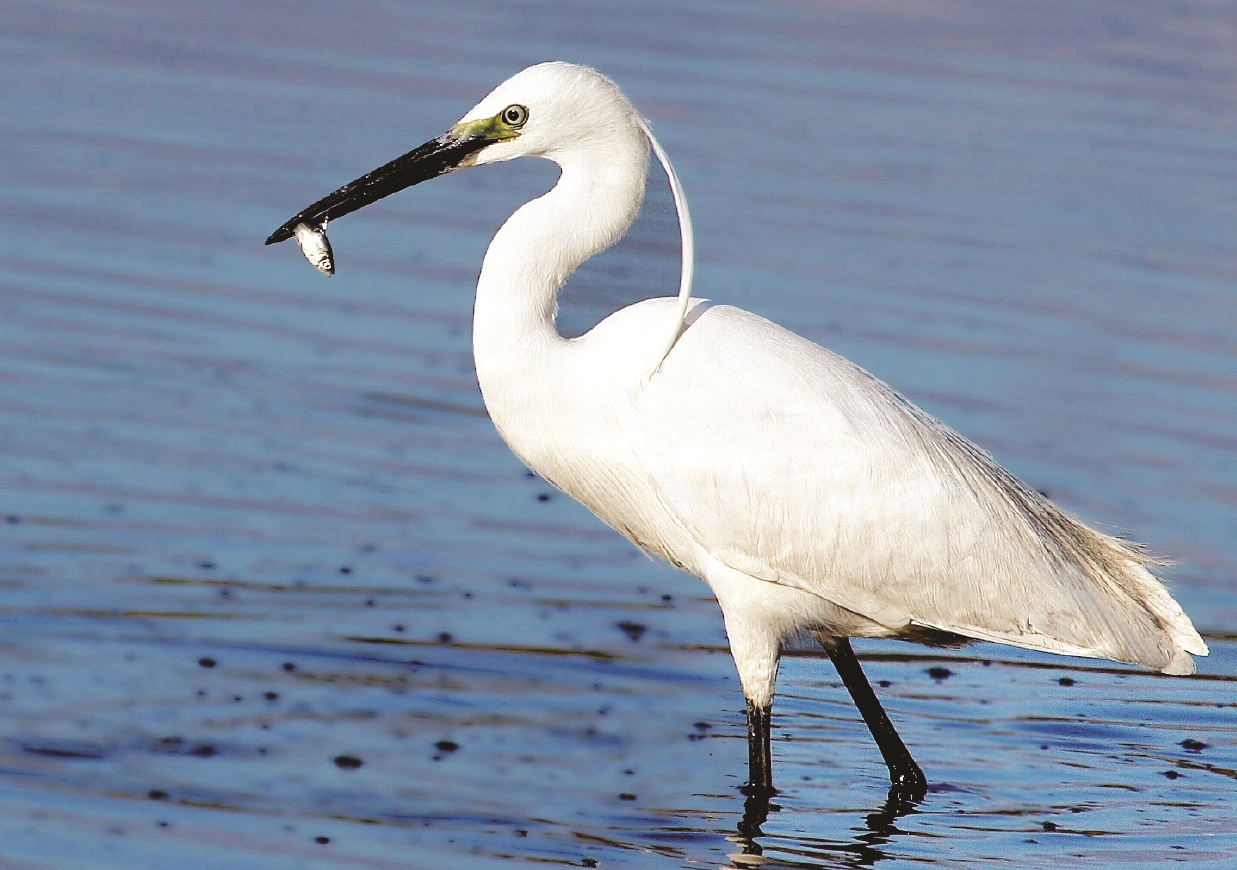
Conserving this natural treasure is an international priority. The ecological well-being of the Caspian Sea is a priority of state policy. Turkmenistan's initiatives to protect the marine environment and develop international environmental cooperation have enabled these "bird cities" to survive for decades.
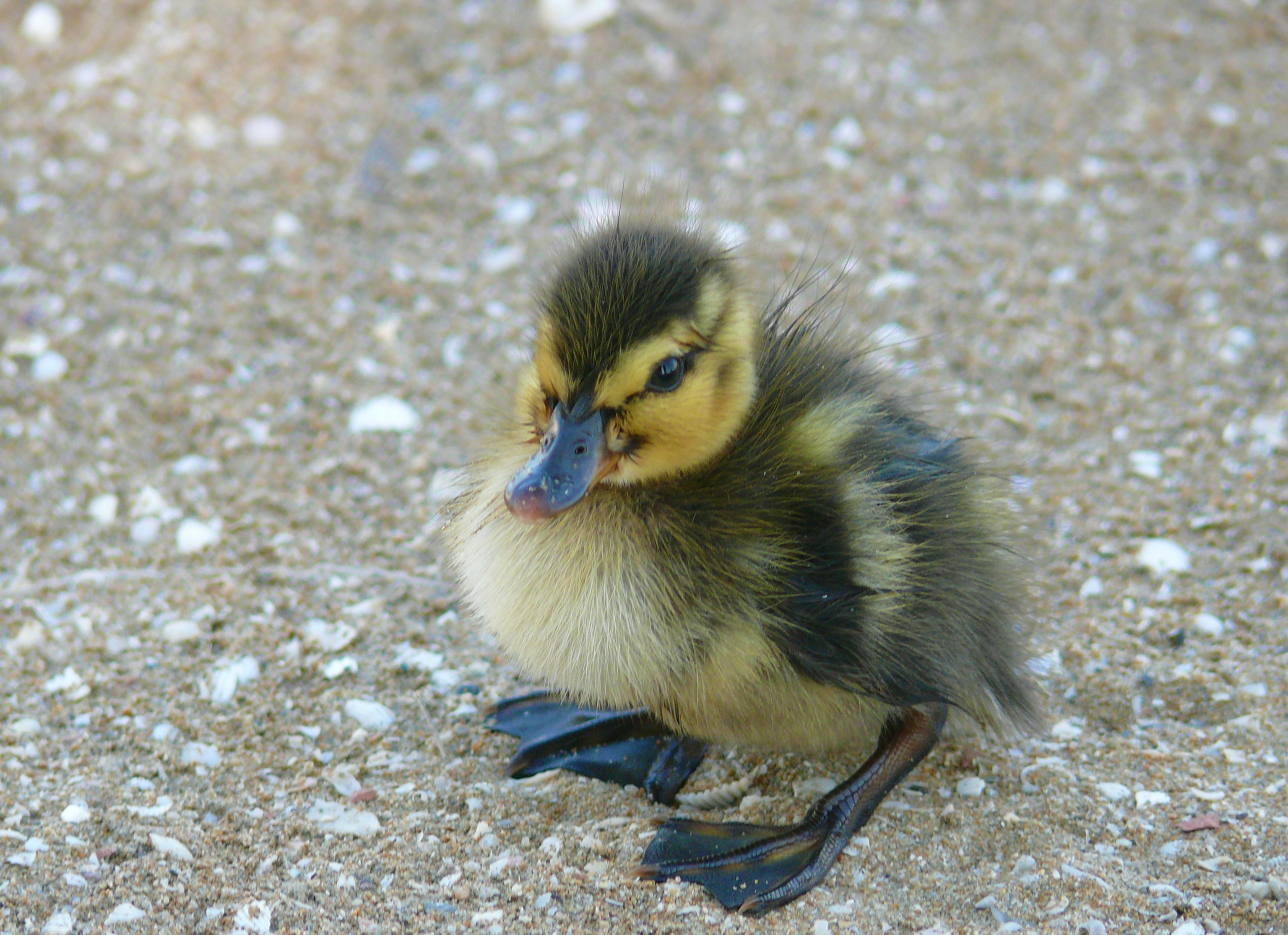
The Caspian Sea in winter today is a reminder of the importance of maintaining peace and purity where nature finds its home.