||
Share:



In short: While Ashgabat sparkles with the lights of its main Christmas tree and decorated streets, we take a look at the Land of the Rising Sun. Following President Serdar Berdimuhamedov's visit to Tokyo, interest in Japanese culture in Turkmenistan has surged. ORIENT has selected several Japanese traditions that are worth experimenting with, finding surprising parallels in Turkmen life.
Japanese New Year (O-shogatsu) isn't a boisterous celebration, but a profound philosophy of "taming" good fortune. It turns out that many Eastern rituals resonate with our desire for renewal and order. We'll learn how to make a wish using an eyeless doll and why Japanese noodles are practically a sister to our unashu.
Daruma Doll: Your Personal Coach for 2026
If you've been planning a big goal, you need a Daruma. This is a traditional tumbler doll that originally has no eyes. The ritual is simple and profound: when making a wish, you draw one eye on the Daruma. Now it "monitors" your progress from a shelf. Only when the goal is achieved will the Daruma receive a second eye.
ORIENT Experiment: If you don't have a Daruma handy, any simple figurine or even a beautiful stone from the Kopetdag foothills can serve as one. The key is to imbue the object with the function of a "visual anchor" that will remind you of your goal every day.
Kadomatsu: A Pine Tree at the Doorstep
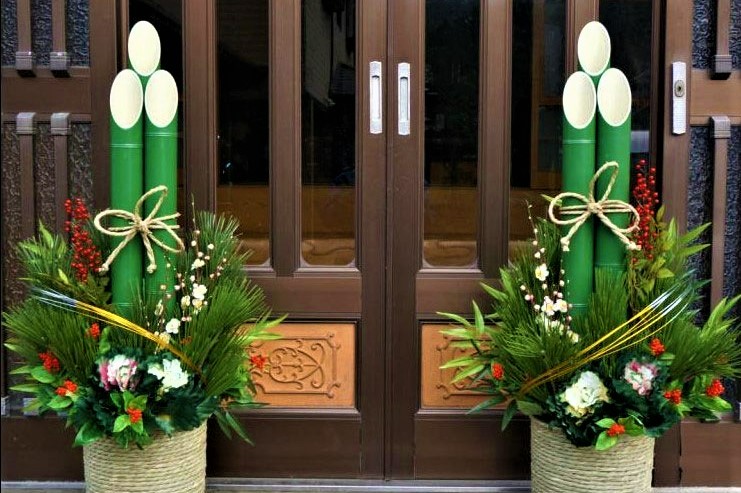
Instead of the traditional Christmas tree, the Japanese place a kadomatsu—a composition of pine and bamboo—at the entrance. This is a greeting to the deity of the holiday. Pine symbolizes longevity, and bamboo symbolizes resilience and rapid growth.
Analogy: In our climate, bamboo can easily be replaced with branches of mountain juniper. This tree is also a symbol of resilience and vitality for Turkmens. A sleek eco-design using juniper and other local plants will look incredibly stylish and modern.
108 Strikes Against Vanity
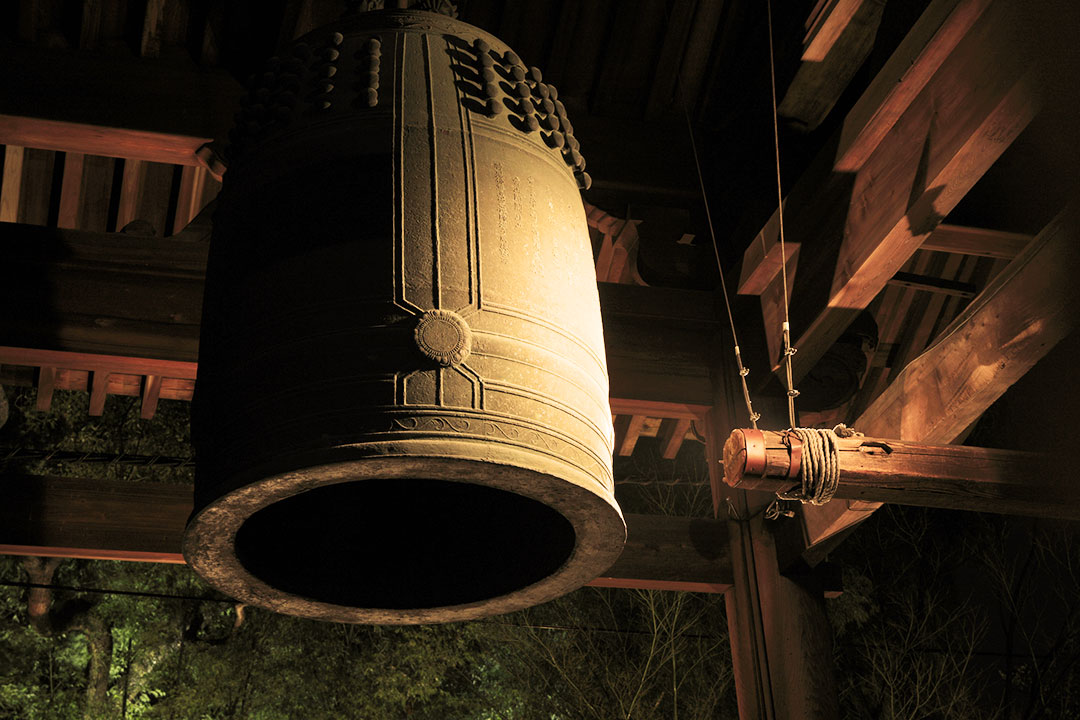
While the world explodes with fireworks, bells ring in Japanese temples. The 108 strikes are meant to cleanse a person of the worries of the past year. This is a time of silence, when you can simply exhale.
How to do it here: You can simulate this ritual at home: with your family, during your pre-New Year's tea party, allow yourself 108 seconds (just under two minutes) of complete silence, putting your phone away. Let the pure sound of porcelain cups touching become the "ringing of the bell" – this will be your personal moment of purification from the hustle and bustle.
Mochi: The Sweet Stickiness of Good Luck
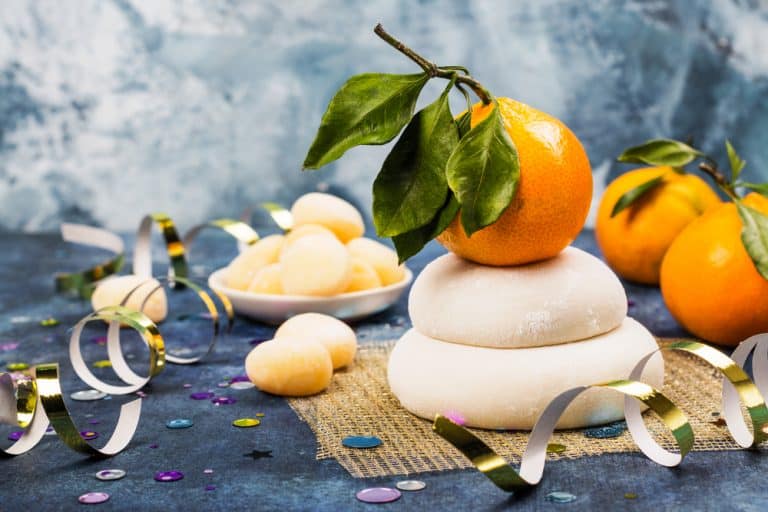
No Japanese home is complete without mochi—sticky rice balls. Their most important role is in the Kagami mochi composition (two flatbreads with a tangerine on top), symbolizing the continuity of generations. Mochi is very sticky: the Japanese believe that good luck should "stick" to a person and follow them throughout the year.
Parallel: In Turkmenistan, golden-brown pishme traditionally plays the role of such a unifying dish. Like mochi, these sweets are traditionally shared with loved ones to ensure a sweet year and a bountiful supply of good fortune.
Toshikoshi Soba: The Magic of Long Noodles
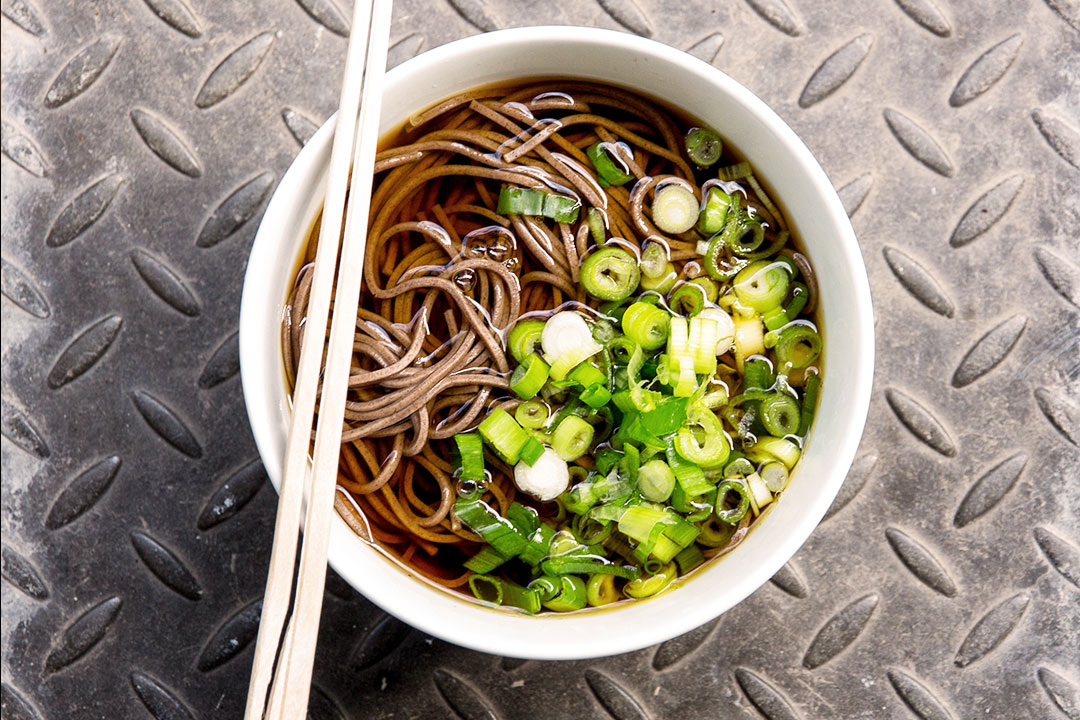
The main dish of the Japanese table is thin buckwheat soba noodles. They symbolize "thin but long life." They should be eaten whole, without tearing.
Turkmen accent: We don't need to get used to this. Our traditional unash soup carries the same sacred essence. Thinly sliced homemade noodles are a symbol of strong family ties and health.
 Chinese New Year