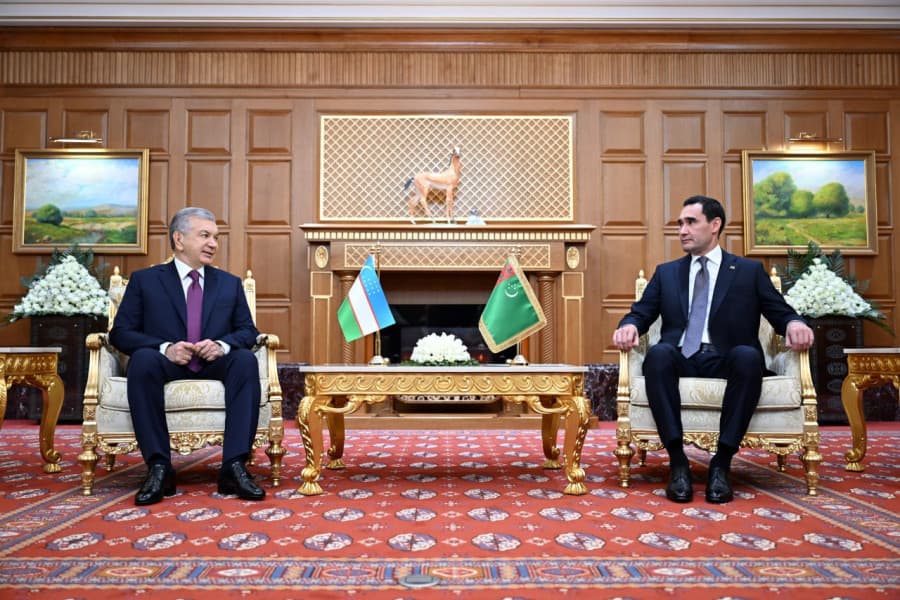



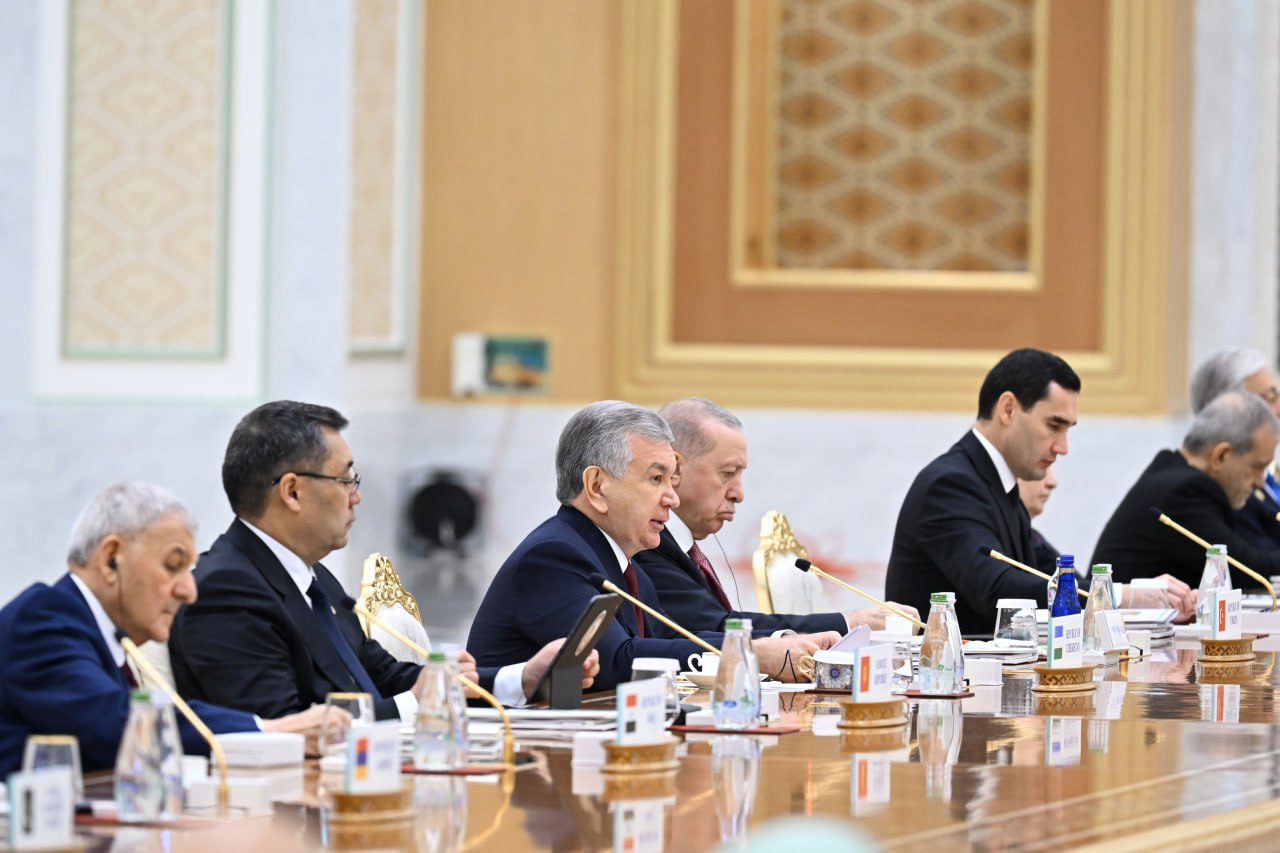
On December 11-12, President of Uzbekistan Shavkat Mirziyoyev paid a working visit to Turkmenistan to participate in a forum dedicated to the International Year of Peace and Trust, International Neutrality Day, and the 30th anniversary of Turkmenistan's permanent neutrality.
This visit is a culmination of the high level of cooperation achieved between Uzbekistan and Turkmenistan in recent years. Tashkent traditionally supports its friendly neighbor's initiatives aimed at strengthening regional stability and economic cooperation, opening up new opportunities for mutually beneficial development between the two countries.
The forum was the key event in the implementation of the Turkmen side's initiative, announced during the 79th session of the UN General Assembly, to proclaim 2025 the "International Year of Peace and Trust."
It should be noted that, in the three decades since its inception, Turkmenistan's policy of positive neutrality has evolved into a unique diplomatic model focused on promoting peace, earning widespread international recognition. Ashgabat's foreign policy has not only strengthened the country's position as a platform for dialogue and mediation but also made a significant contribution to the development of regional cooperation.
In particular, the key principles underlying the neutrality policy—non-alignedness, non-confrontation, and reliance on international law and diplomacy—create favorable conditions for ensuring security, stability, and sustainable development in the region. Moreover, they are fully aligned with the collective vision of the Central Asian states and are reflected in the strategic documents adopted by the region's leaders at the regularly held Consultative Meetings of the Heads of State of Central Asia.
In turn, initiatives to build an energy dialogue and expand transport and communications links in Central Asia highlight Turkmenistan's role as an important transport and energy hub, which also reflects the principles of neutrality policy.
This approach strengthens the interconnectedness and resilience of regional infrastructure, contributing to Central Asia's transformation into a strategic hub for North-South and East-West routes and opening up new opportunities for economic interaction and expanding transit potential.
Turkmenistan's commitment to promoting the principles of neutrality has been reflected in the adoption of several UN resolutions. For example, on October 24, 2024, on the initiative of the Turkmen side, a resolution was adopted at the 79th session of the UN General Assembly formally establishing Central Asia as a Zone of Peace, Trust, and Cooperation.
Furthermore, Turkmenistan actively advocates for multilateral cooperation, which facilitates the development of relations with international organizations. The country initiated the establishment of the UN Regional Centre for Preventive Diplomacy for Central Asia (UNRCCA) in Ashgabat, which makes a significant contribution to maintaining stability and security in Central Asia.
In turn, the "Interconnection of Times and Civilizations – the Foundation of Peace and Development" forum held in Turkmenistan last year, dedicated to the 300th anniversary of the poet and thinker Magtymguly Pyragy, was a significant step in strengthening fraternal ties and bringing the countries and peoples of Central Asia closer together, as well as promoting our rich spiritual heritage worldwide.
Through its policy of positive neutrality, Turkmenistan promotes friendly and good-neighborly relations and fosters an atmosphere of peace and trust in Central Asia. Importantly, this fully aligns with Uzbekistan's approaches to building regional cooperation, creating a reliable foundation for deepening strategic dialogue and interaction between Tashkent and Ashgabat.
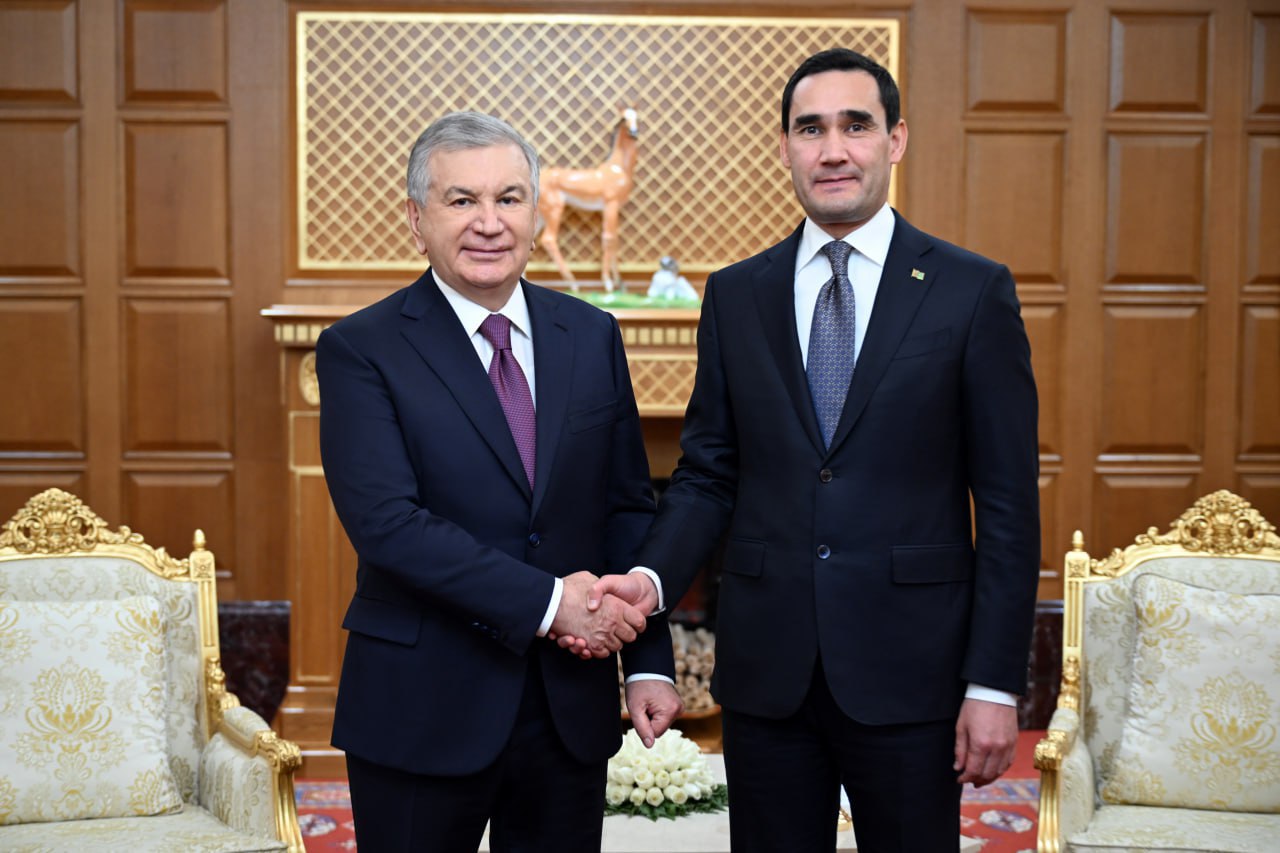
Developing a comprehensive partnership with Turkmenistan, based on the deep historical and cultural commonality of the two fraternal peoples, is a key priority of Uzbekistan's foreign policy. In recent years, bilateral relations have reached a qualitatively new level, becoming a model of constructive interaction. Today, they are developing in the spirit of genuine friendship, mutual respect, and good neighborliness, and the trusting nature of the dialogue between the leaders of the two states serves as a strong pillar of the Uzbek-Turkmen strategic partnership.
It is significant that the first foreign visit of President of Uzbekistan Shavkat Mirziyoyev since taking office was to Turkmenistan in March 2017. Following this historic visit, a Strategic Partnership Agreement was signed, marking the beginning of a dynamic expansion of cooperation in all key areas.
To date, relations between the two countries have entered a trajectory of progressive development, encompassing politics, economics, transport, energy, industry, and humanitarian cooperation.
The exceptional intensity of the political dialogue is evidenced by the record frequency of high-level contacts: since 2017, the leaders of the two countries have held 22 meetings. Uzbekistan and Turkmenistan are consistently strengthening the coordination of their positions on international platforms – the UN, the CIS, the United Territory of the United Territory, the International Fund for Saving the Aral Sea, and other associations – making their joint initiatives a significant factor in the sustainability and development of all of Central Asia.
The economic sector holds a special place in this cooperation. Thanks to the strategic vision of the leaders of Uzbekistan and Turkmenistan, trade and economic cooperation has acquired a dynamic character. The volume of mutual trade increased 6.5 times compared to 2017 and reached $1.2 billion by the end of 2024.
Moreover, there is every reason and political will to increase mutual trade to $2 billion in the near future by expanding the range of products and effectively leveraging the free trade regime.
The introduction of a free trade regime on February 25, 2025, was an important step in this direction. This significantly simplified access for goods to both countries' markets, created favorable conditions for business, and expanded the export and import capabilities of enterprises.
The institutional development of trade relations is also steadily strengthening. The Uzbekistan-Turkmenistan Business Council, which has been operating since 2021, serves as an additional tool for expanding interaction between the private sectors of the two countries. Four meetings have been held during this period, the most recent of which took place on July 16, 2024, in Tashkent, where new areas of investment and industrial cooperation were discussed.
The opening of the Turkmenistan Trade House in Tashkent in February 2023 was a significant development in trade infrastructure. This platform created a convenient mechanism for direct contacts between entrepreneurs, promoting products, and implementing joint projects.
In parallel, industrial ties are also expanding. Currently, approximately 195 enterprises with Turkmen capital operate in Uzbekistan.
A significant event in the development of bilateral relations was the state visit of Turkmen President Serdar Berdimuhamedov to Uzbekistan on November 17 of this year.
Following this visit, the parties signed a substantial package of 14 documents aimed at strengthening cooperation in industrial, transport and logistics, tourism, and other strategically important areas.
A landmark event was the opening of the Shavat-Dashoguz joint border trade zone, launched by the presidents of the two countries. Its creation shapes a fundamentally new infrastructure architecture for economic cooperation between the Khorezm region of Uzbekistan and the Dashoguz velayat of Turkmenistan – regions with a combined population of over 3.5 million people.
Citizens of the two countries can now visit the border trade zone visa-free, significantly facilitating business and trade contacts. Customs, phytosanitary, veterinary, and quarantine services operate within the zone using a single-window system, as well as banking, medical, and hotel services. The zone's experience is planned to be expanded to other sections of the border, primarily the Alat-Farab route.
Another significant event of the visit was the decision by Presidents Shavkat Mirziyoyev and Serdar Berdimuhamedov to resume direct flights between Ashgabat and Tashkent, which had been absent for over a decade. This move is expected to create more comfortable conditions for business travel, expand tourist routes, and increase the mobility of citizens in both directions.
Overall, the current stage of Uzbek-Turkmen cooperation demonstrates a qualitatively new level of strategic partnership based on trust, mutual respect, and the historical affinity of peoples. The active development of trade, industrial cooperation, transport, and humanitarian ties creates a solid foundation for further deepening interaction.
The mutual determination of the leaders of Uzbekistan and Turkmenistan to continue on this chosen course creates confidence in the sustainable and long-term development of relations, beneficial both for the two countries and for the entire region.
Azamat SULIMANOV, Bekzod NORMATOV,
Institute for Strategic and Interregional Studies under the President of the Republic of Uzbekistan (ISRS)