||




 Chinese New Year
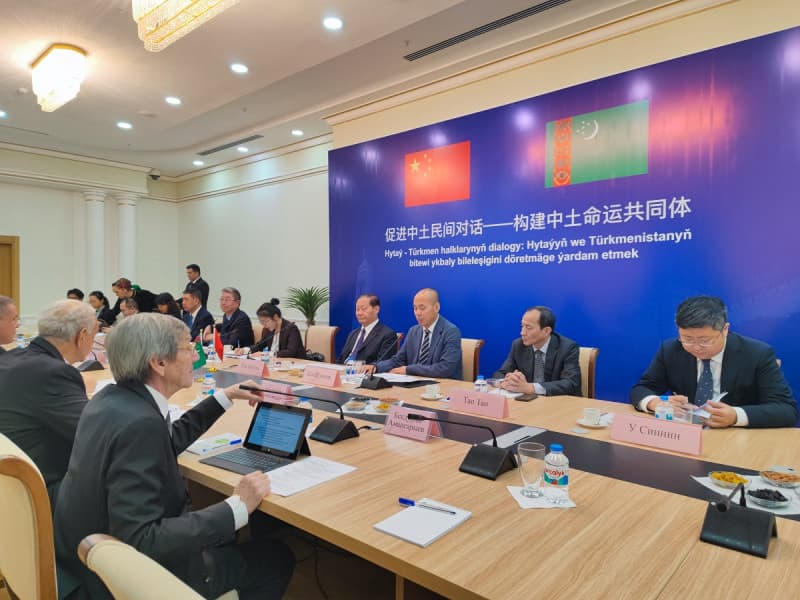
On December 13, the China-Turkmenistan People's Dialogue: Promoting the Building of a Community of Shared Destiny between China and Turkmenistan was held at the Public Organizations Center. Holding the event immediately following the International Day of Neutrality and the Forum on Peace and Trust underscored its profound symbolism and Ashgabat's role as a center for peacebuilding and strategic cooperation.
The participation of Peng Qinghua, Special Envoy of Chinese President Xi Jinping and Vice Chairman of the Standing Committee of the National People's Congress, gave the dialogue particular political weight. Chinese Ambassador Ji Shumin moderated the event.
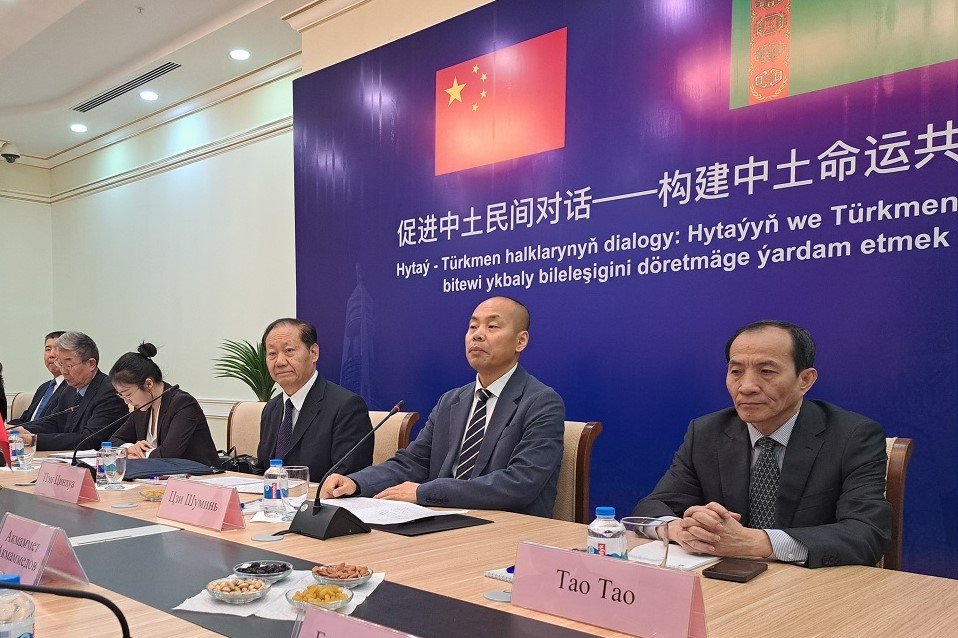
High-ranking Chinese representative Peng Qinghua emphasized that his presence at the Forum on Peace and Trust, and subsequently at the People's Dialogue, is direct evidence of the highest level of strategic partnership between the two countries.
As Peng Qinghua noted, Turkmenistan's concept of neutrality resonates with China's vision of building a Community of Shared Future for Humanity. Only by strengthening trust among people and deepening humanitarian and economic ties can we ensure long-term prosperity and stability along the Silk Road, the Chinese President's special envoy noted.
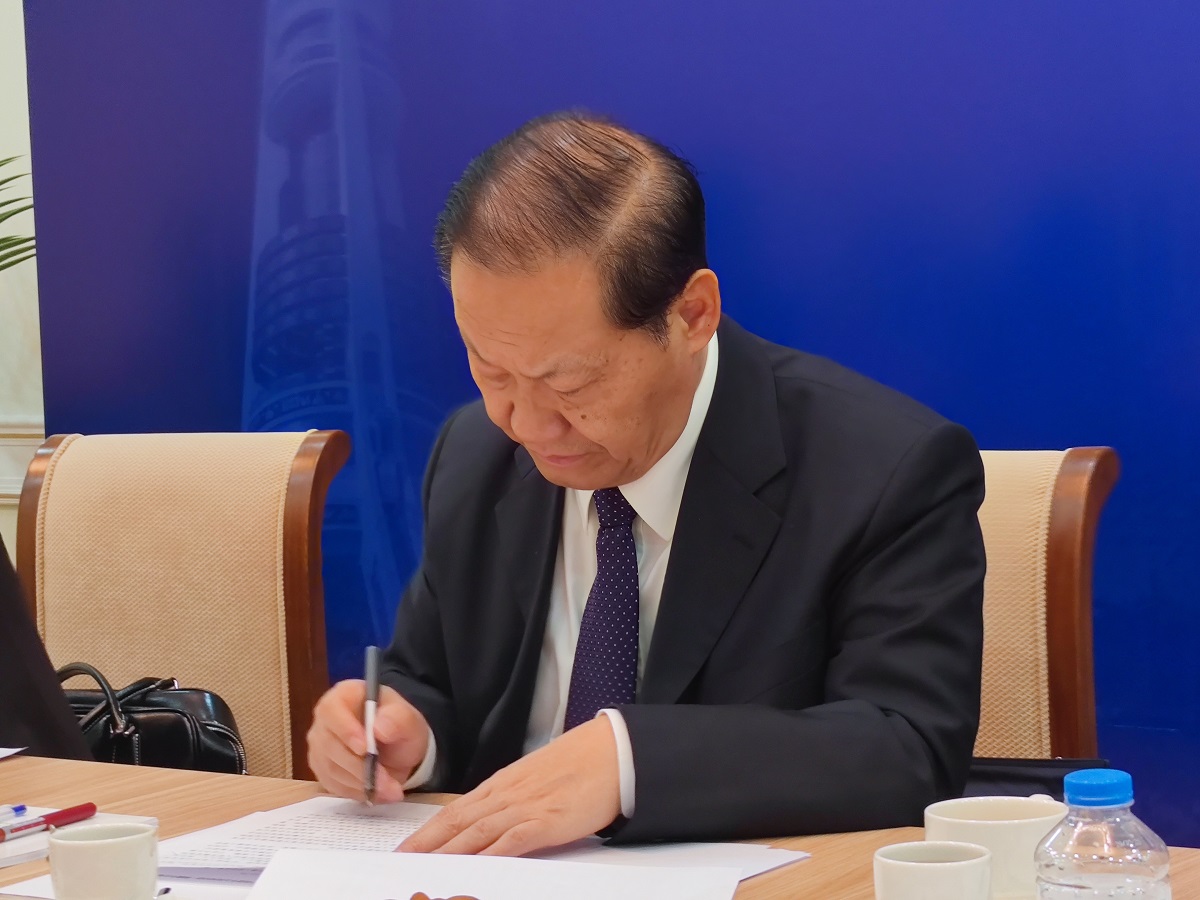
The centuries-old relations between Turkmenistan and the People's Republic of China, founded on the legacy of the Great Silk Road, have entered a new era of strategic comprehensive partnership. Our dialogue is more than just a series of economic transactions; it is, above all, a community of like-minded people, which has been officially confirmed at the highest level.
During the celebration of the 30th anniversary of Turkmenistan's permanent neutrality, President of the People's Republic of China Xi Jinping sent a congratulatory message to the participants of the Forum for Peace and Trust, expressing his highest praise for Ashgabat's foreign policy.
The Turkmen side was represented by leaders of public organizations, political parties, and leading experts. Ata Serdarov, Chairman of the Democratic Party of Turkmenistan, delivered a keynote address on the political foundation of the partnership.
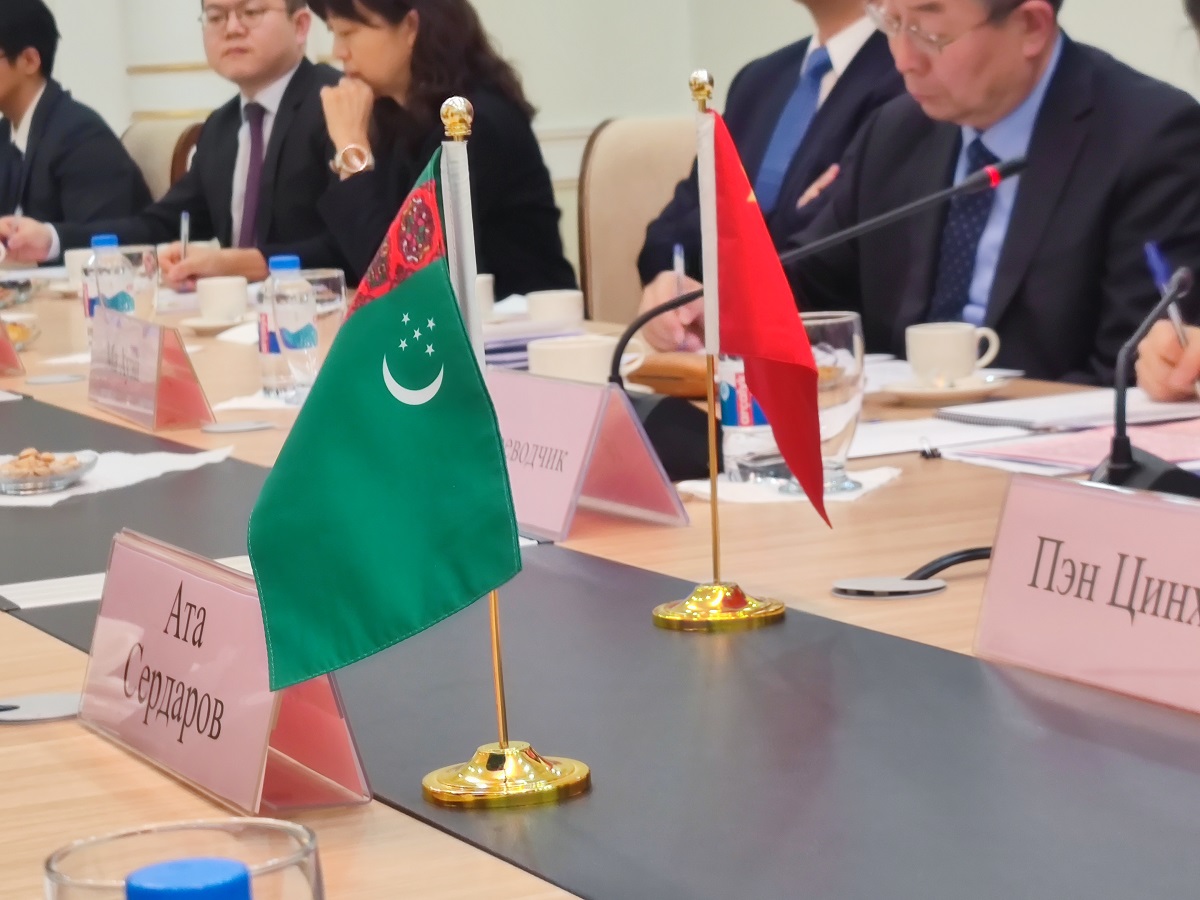
He emphasized that today's dialogue is of particular importance for advancing relations between Turkmenistan's political parties and the Communist Party of China. He noted that the Chinese side, at the highest government level, reaffirms its firm support for Turkmenistan's chosen development path and policy of permanent neutrality.
"The high level of interstate, intergovernmental, and interparty relations confirm the continuity of the strategic partnership, which strengthens every year and encompass new areas," Ata Serdarov noted.
The head of the Democratic Party highlighted the recent talks between the countries' leaders at the SCO summit, which outlined new prospects for advancing bilateral relations.
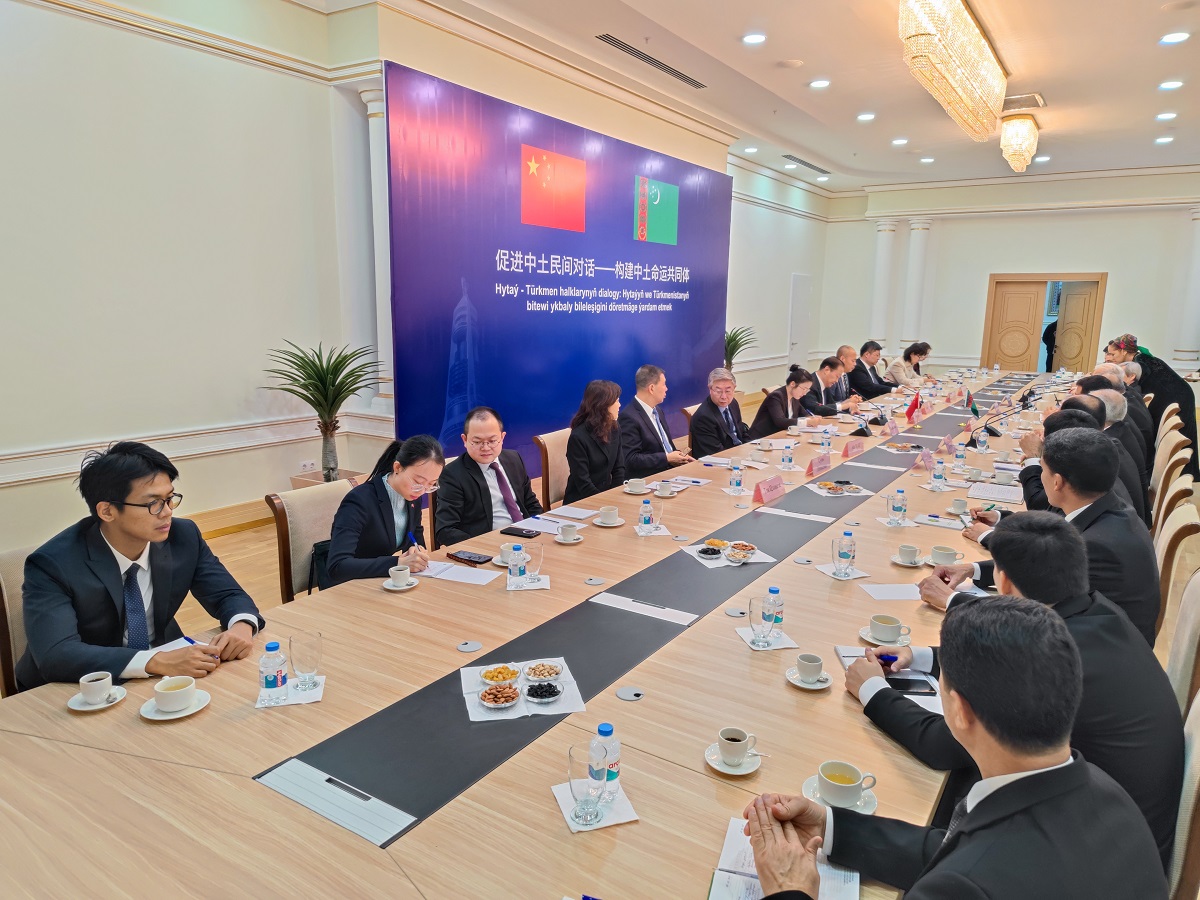
Key areas of practical cooperation were outlined in a report by Bekdurdy Amansaryev, an expert at the Center for Strategic Studies of the Ministry of Foreign Affairs of Turkmenistan. He emphasized that relations between Turkmenistan and China are a model example of trust and solidarity, built around a strong economic core.
It was noted that the Turkmenistan-China gas pipeline is rightfully considered the project of the century, ensuring energy security and forming a powerful foundation for long-term growth.
Turkmenistan and China are working together to improve transport and logistics connectivity and the potential of the Trans-Caspian route, which contributes to the implementation of China's Belt and Road Initiative.

Summing up, the expert noted that the people's dialogue between Turkmenistan and China is a shared contribution to the creation of a just, balanced, and stable world order in the spirit of the Community of Shared Destiny.
Along with economic ties, the strategic partnership has a deep humanitarian foundation. Art, creativity, and heritage serve as bridges of friendship between our peoples. In recent years, cross-cultural Days, festivals, and exhibitions have become increasingly active. Chinese audiences consistently express deep admiration for the richness and uniqueness of Turkmen art, and Chinese culture and traditions have also generated genuine interest in Turkmenistan.
Akhal-Teke horses, the living symbols of Turkmenistan, hold a special place in the history of our relations. China's love for these "heavenly horses" has centuries-old roots, as evidenced by the rich history of our countries' relations. This shared passion for these noble animals, along with the recent inclusion of the art of breeding the Alabai (as well as the Turkmen horse breeding traditions before it) on the UNESCO World Heritage List, underscores our shared commitment to preserving our unique cultural heritage. These are not just national achievements; they are objects of universal human heritage that unite us.
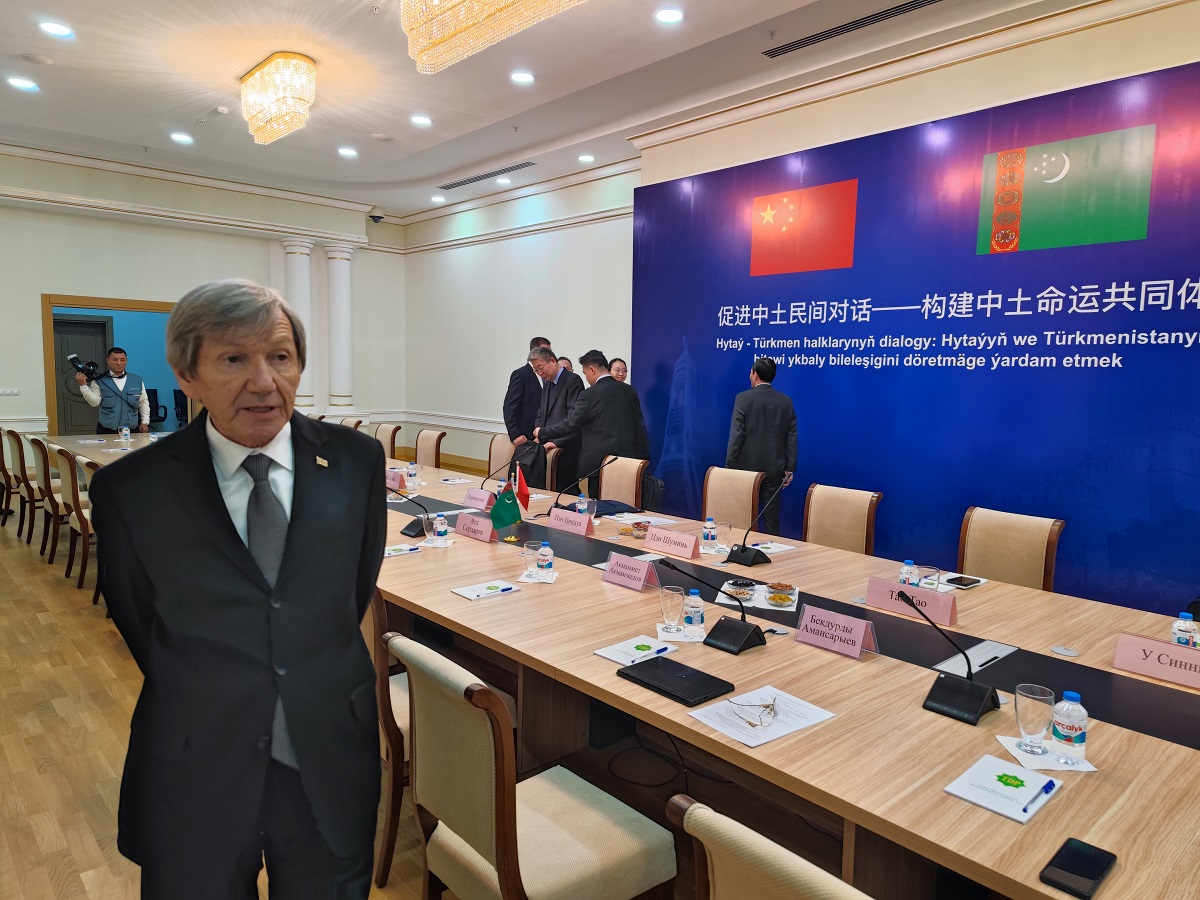
Along with our cultural heritage, we are investing in the future. The exchange of youth delegations and the significant number of Turkmen students studying in China are becoming the most reliable bridge of friendship and mutual understanding.
It is this vibrant, people-to-people dialogue, based on mutual respect and cultural understanding, that is the most effective mechanism for overcoming trust deficits and geopolitical differences.
Expanding cooperation in medicine, information technology, and agriculture also facilitates direct contact between our specialists and shapes a common innovation agenda.
The Lu Ban Workshop project is currently entering the implementation phase in Ashgabat. This will open a new chapter in the training of highly qualified technical personnel in Turkmenistan, enable the introduction of innovative Chinese educational standards, and become another symbol of our partnership focused on the future and high technology.
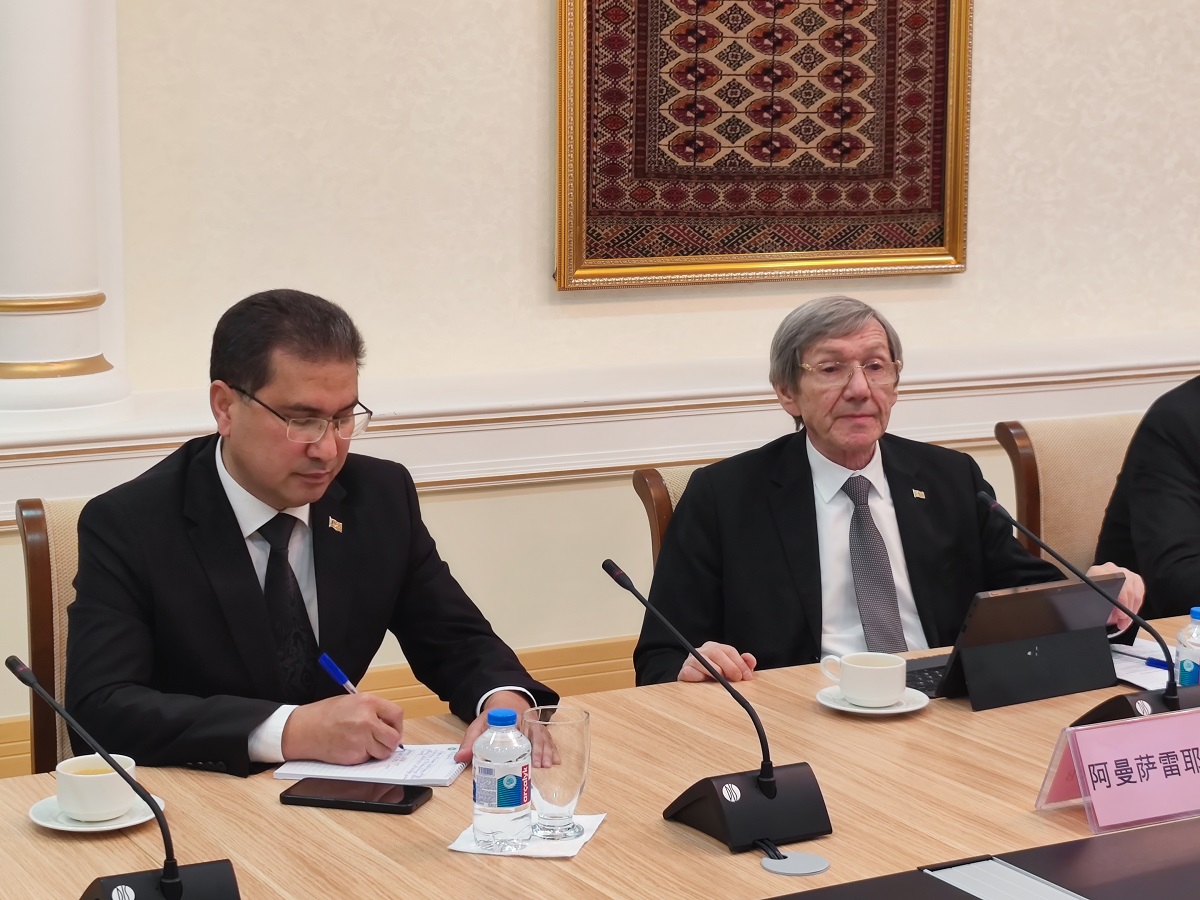
This people-to-people dialogue, based on mutual respect and cultural understanding, is the most effective mechanism for overcoming trust deficits and geopolitical differences.
In conclusion, the participants confirmed that, over the 30 years since the establishment of diplomatic relations, a solid legal framework has been established based on equality, mutually beneficial cooperation, and respect.
"We firmly believe that the traditional friendly relations between us will continue to develop actively, as always," Ata Serdarov concluded, wishing the leadership and people of China great success and prosperity.
Dovletmyrat Mammedov, lecturer at the Institute of International Relations of the Ministry of Foreign Affairs of Turkmenistan