Fashion intrigue: “Turkmen” Chanel coat and Stefano Ricci boutique in Ashgabat

Brilliant simplicity as a celebration of casual elegance - this is perhaps how Gabrielle Chanel's fashion manifesto can be formulated. For more than a hundred years that have passed since the founding of the house of Chanel, this name has become synonymous with a certain style - sophisticated and light.
For the first time, the Paris Fashion Museum organized a retrospective exhibition of creativity by Gabrielle Chanel, one of the most respected and influential couturiers in the world. On December 4, this epic show opened at the National Gallery of Victoria in Melbourne, Australia.
The Gabrielle Chanel: Fashion Manifesto showcases over 100 garments that symbolize the designer's career, from her early days as a milliner to the sportswear for which she became famous, suits and dresses, jewelry and perfumes.
In this collection, our attention was drawn to an unusual coat made in 1918. We were attracted, first of all, by the very recognizable motives of Turkmen hand-made embroidery.

We were not mistaken: according to the organizers of the exhibition, its exquisite embroidery was really "generated" by patterns of the ceremonial women's cape "chyrpy", which is a part of the wedding ceremonial clothes of Turkmen women to this day.
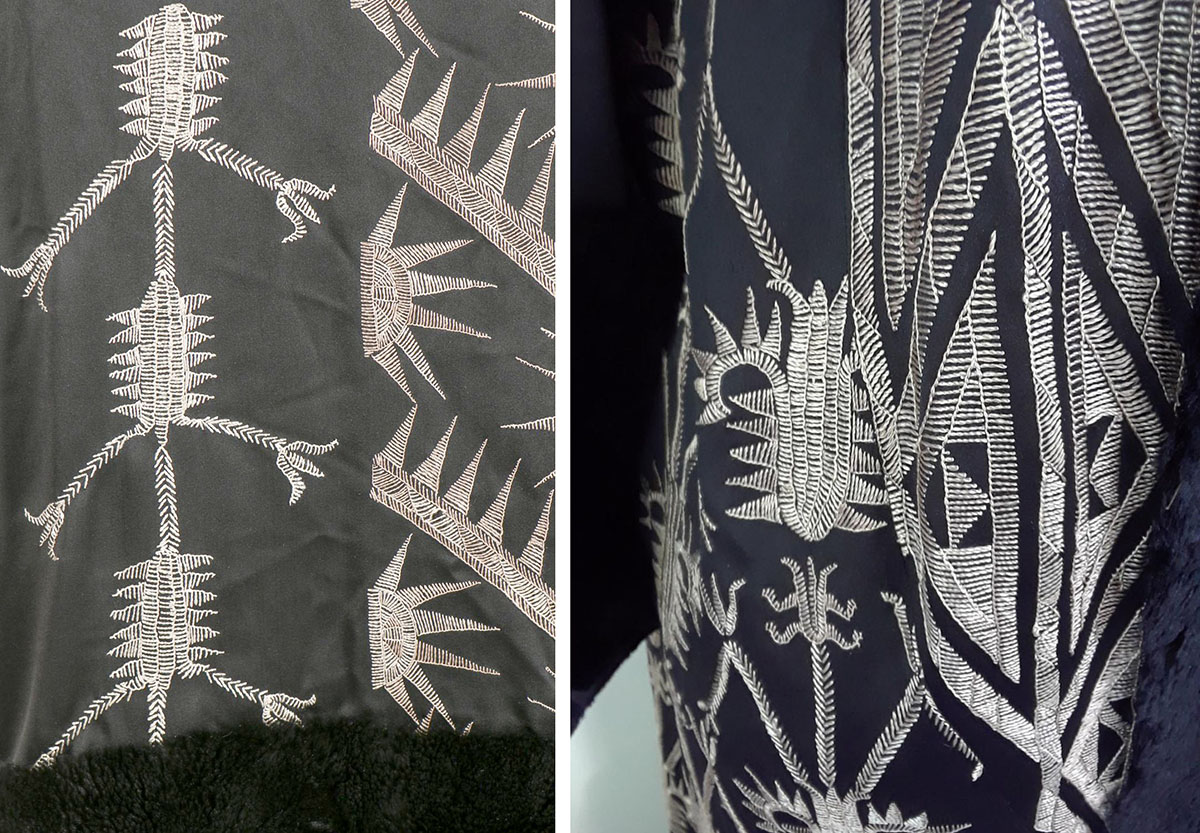
But Chanel was inspired by that embroidery in 1918 and transferred the graphic effect of traditional Turkmen patterns to the coat, which anticipated the creation of the Chanel embroidery workshop, which opened in 1921.
The pattern on the black satin background of the coat is embroidered by hand with golden-beige silk ivory threads. The cut of this evening cape also refers to the chyrpy - the sleeves seem to emerge from the embroidered back panel with side folds forming a curved upper waistline. And the collar, cuffs and piping are made of black fur.

In 2019, this smart coat was purchased at an auction in the United States for $ 120,000.
The Turkmen "ethnics" very clearly manifests itself in the world fashion. Variations on this theme, following the example of Chanel, have been tried by many designers, but Turkmen motives and patterns can be seen not only on the high fashion catwalks. Silk shawls made of keteni and other accessories with Turkmen ornaments can be found abroad both in the metro and at social events.

Turkmen jewelry perfectly integrates into the modern aesthetics of fashion style - they are presented both in the largest museums in the world (for example, the Metropolitan Museum in New York) and in antique boutiques and design studios in Europe as an oriental exclusive.

In Turkmenistan, all this continues to live as a national heritage, daily tradition and heirloom, also determining in many ways both the casual style and the creative quest of fashion houses. But not relics, as they say, the only ones ...
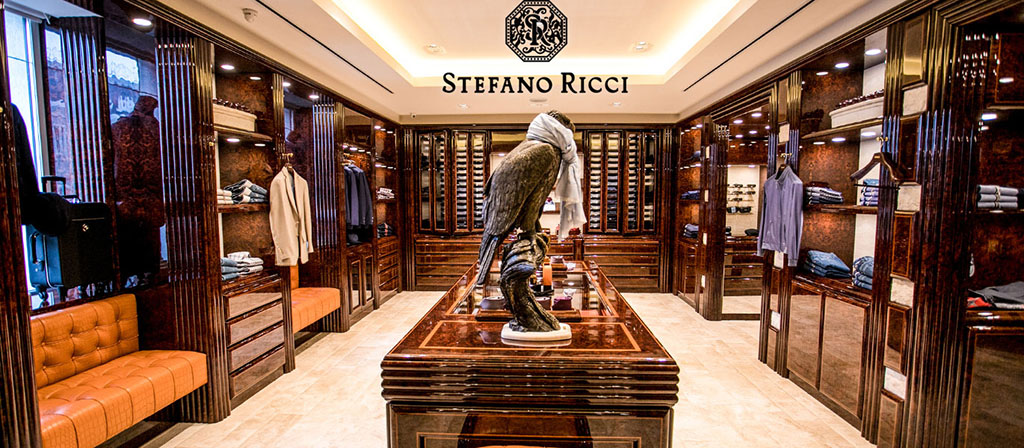
Fashion is what we use every day, even if we don't really follow it and don't try to follow trends. Anyway, they themselves follow us. Recently it became known that the Italian Men's Fashion House Stefano Ricci is going to open its boutique in Ashgabat in the coming year.
The Florentine family business, after being shut down due to the pandemic, launches its external expansion and enters the Turkmen market as a mono-brand luxury clothing store with a fall-winter 2022-2023 collection.
ORIENT light


