How the Termez Dialogue is Reshaping Asia and What is Turkmenistan's Role?

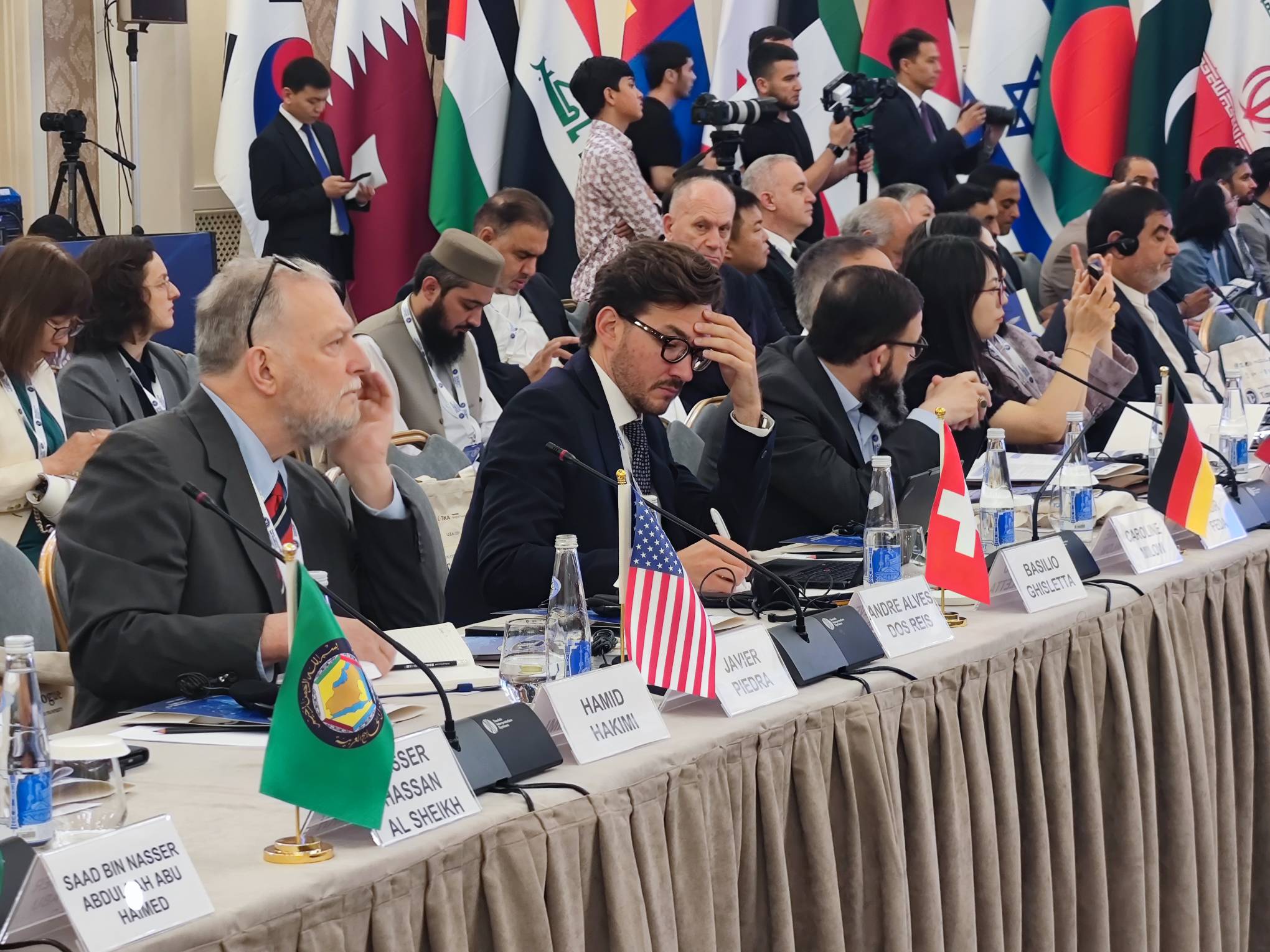
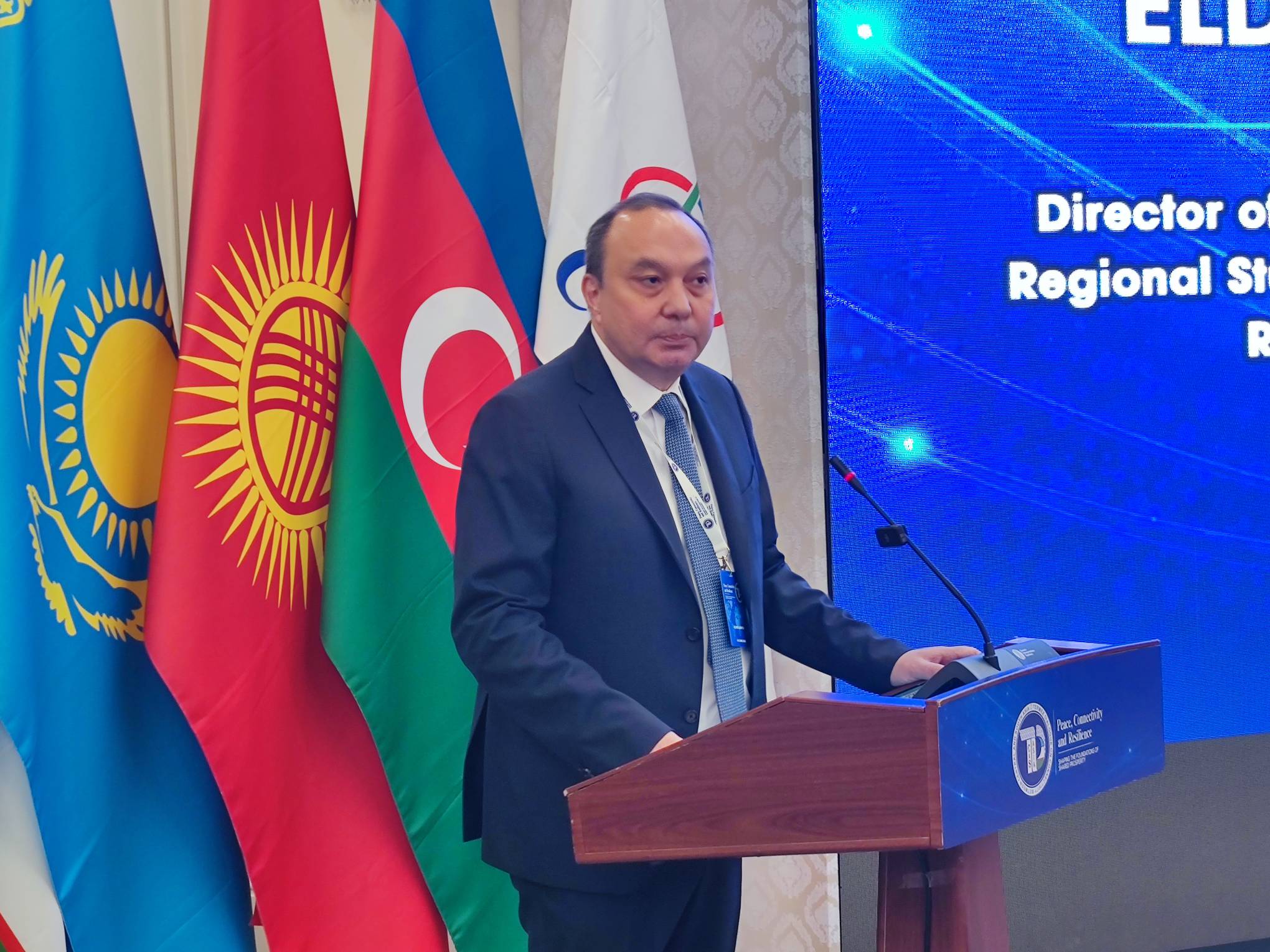
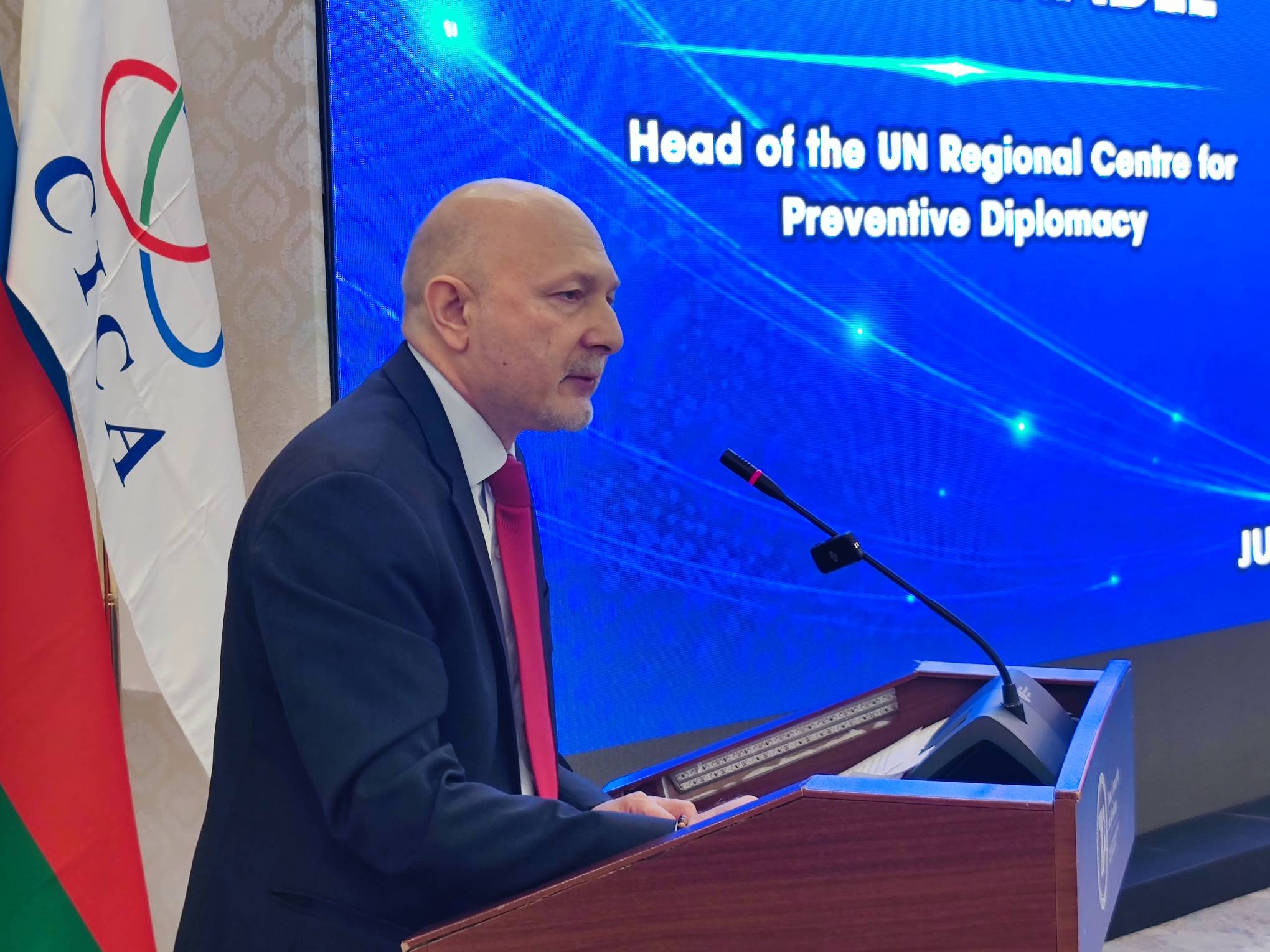
Tashkent, June 4 | ORIENT. Amidst the endless stream of international forums, where expert discussions often degenerate into a competition of protocol politeness, it's easy to lose sight of those rare venues where the real policies of the future are born. The second session of the Termez Dialogue on the interconnectedness of Central and South Asia, which opened today in Tashkent, is one such pragmatic exception. Bringing together over 150 leading analysts, diplomats, and economists from Europe, the CIS, America, and the Middle East on a single platform is a daunting task, but shifting the conversation from the language of geopolitical ambitions to the language of numbers, tariffs, and logistics routes is even more challenging.
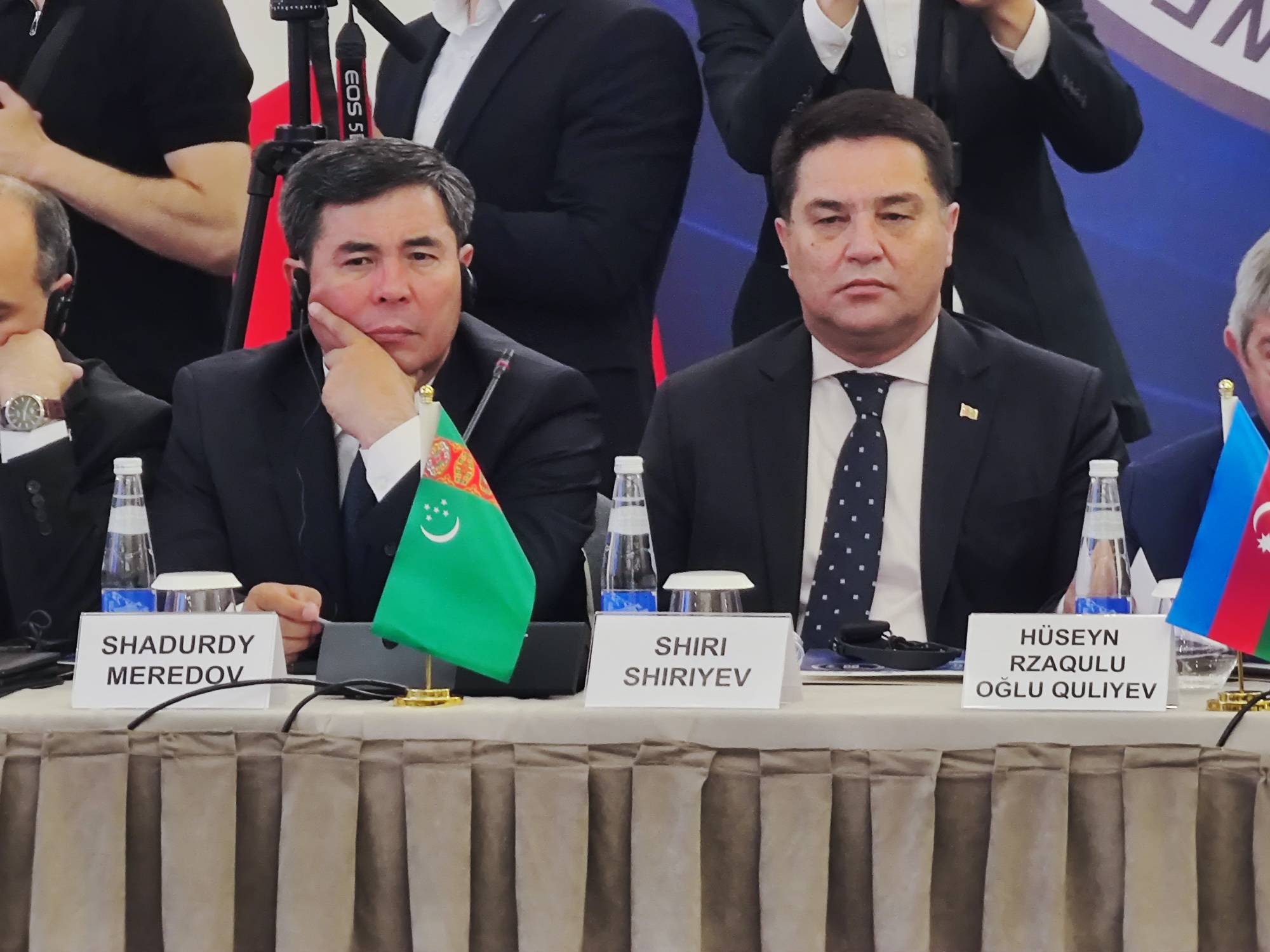
Today, amid global fragmentation and an obvious crisis of trust, this dialogue is struggling to find a new framework for Eurasian integration. The fact that a Turkmen delegation, including representatives from the Ministry of Foreign Affairs, the Center for Strategic Studies at the Institute of International Relations, and the Ministry of Finance and Economy, also arrived in the Uzbek capital speaks volumes: the region is moving beyond declarations to forward-looking economic calculations.
To understand the true scale of what's happening, it's worth taking a brief historical detour in the spirit of popular science. Even at the end of the nineteenth century, the spaces of Central and South Asia functioned as a single intellectual, spiritual, and economic ecosystem. Borders that seem immutable to us today didn't hinder the flow of caravans and scientific ideas from Bukhara and Ashgabat to Delhi and Karachi.
A century of artificial separation has resulted in two powerful, dynamically growing macro-regions with colossal consumer demand and young populations finding themselves logistically isolated from each other. The Termez Dialogue, launched a year ago, sets an ambitious goal: to overcome this institutional impasse, erase tariff and customs barriers, and transform geographic proximity into a tangible economic advantage.
However, any transregional integration rests on the key issue of security and predictability. At a time when global powers are busy drawing new dividing lines, Central Asia needs an internal foothold free from bloc thinking. This is where the phenomenon of Turkmen neutrality comes into play, having evolved in today's reality from a status of political non-interference into an instrument of active economic integration.
Ashgabat's unique status, recognized at the UN level, today functions as a powerful stabilizing asset for the entire continent. By avoiding geopolitical standoffs, Turkmenistan offers its partners what it values most highly: absolute predictability, investment security, and a willingness to act as a transit hub for projects of any complexity.
Turkmenistan's connectivity strategy isn't about abstract philosophical concepts, but rather concrete infrastructure megaprojects that are currently stitching together Asia's torn fabric. The creation of diversified energy and transport corridors is a key focus of the current Tashkent forum's agenda, and Ashgabat's experience here is fundamental.
The TAPI (Turkmenistan-Afghanistan-Pakistan-India) gas pipeline, power transmission lines, and fiber-optic communication lines are more than just pipes and wires; they are arteries transforming Central Asia into a springboard for accessing the vibrant markets of South Asia and the Middle East. Turkmenistan's economic expansion is purely constructive and multimodal: the country is consistently reducing transaction costs, implementing digital customs solutions, and building port and rail infrastructure.
The Afghan issue, rightly highlighted by the organizers from the Institute for Strategic and Interregional Studies under the President of Uzbekistan and the Ministry of Foreign Affairs, is a crucial maturity test for forum participants. It is impossible to build a sustainable architecture of prosperity without ignoring Afghanistan, which is a natural geographic bridge between regions. Here, the approaches of Tashkent and Ashgabat demonstrate profound synergy.
Instead of isolation, the gradual integration of Kabul into regional economic, transport, and, critically important today, climate change processes is proposed. Melting glaciers, water shortages, and desertification are transboundary challenges that no army can address. Including Afghanistan in joint mechanisms for environmental monitoring and water and climate security, which are actively discussed during the dialogue sessions, is the only way to prevent future humanitarian crises.
The Tashkent meeting marks an important shift in thinking. Experts and practitioners are beginning to realize that interconnectedness is not just about tons of cargo and cubic meters of gas, but also about human capital. The formation of a new regional identity through academic exchanges, the training of qualified personnel for the new digital economy, and overcoming historical mistrust between societies is the foundation without which no economic corridor can survive.
By auditing administrative barriers and designing new preferential trade regimes, the Termez Dialogue proves that the era of empty declarations is passing. A time of smart regionalism is dawning, where active neutrality and infrastructural pragmatism become the key to shared prosperity.
Bekdurdy AMANSARYEV,
Expert, Center for Strategic Studies, Institute of International Relations, Ministry of Foreign Affairs of Turkmenistan


