Turkmen Light Industry Adapts Patterns to International Standards

The second stage of a technological audit and training programme for garment industry specialists has concluded in Ashgabat. The focus was on a critically important factor for entering export markets: impeccable garment fit and modern pattern engineering.
From February 9 to 13, representatives of small and medium-sized enterprises — from private ateliers to designer brands — took part in a practical training organised by the International Trade Centre (ITC). The EU-funded project aims to deeply integrate Turkmen textiles into global supply chains.
From Craft to Industrial Standard
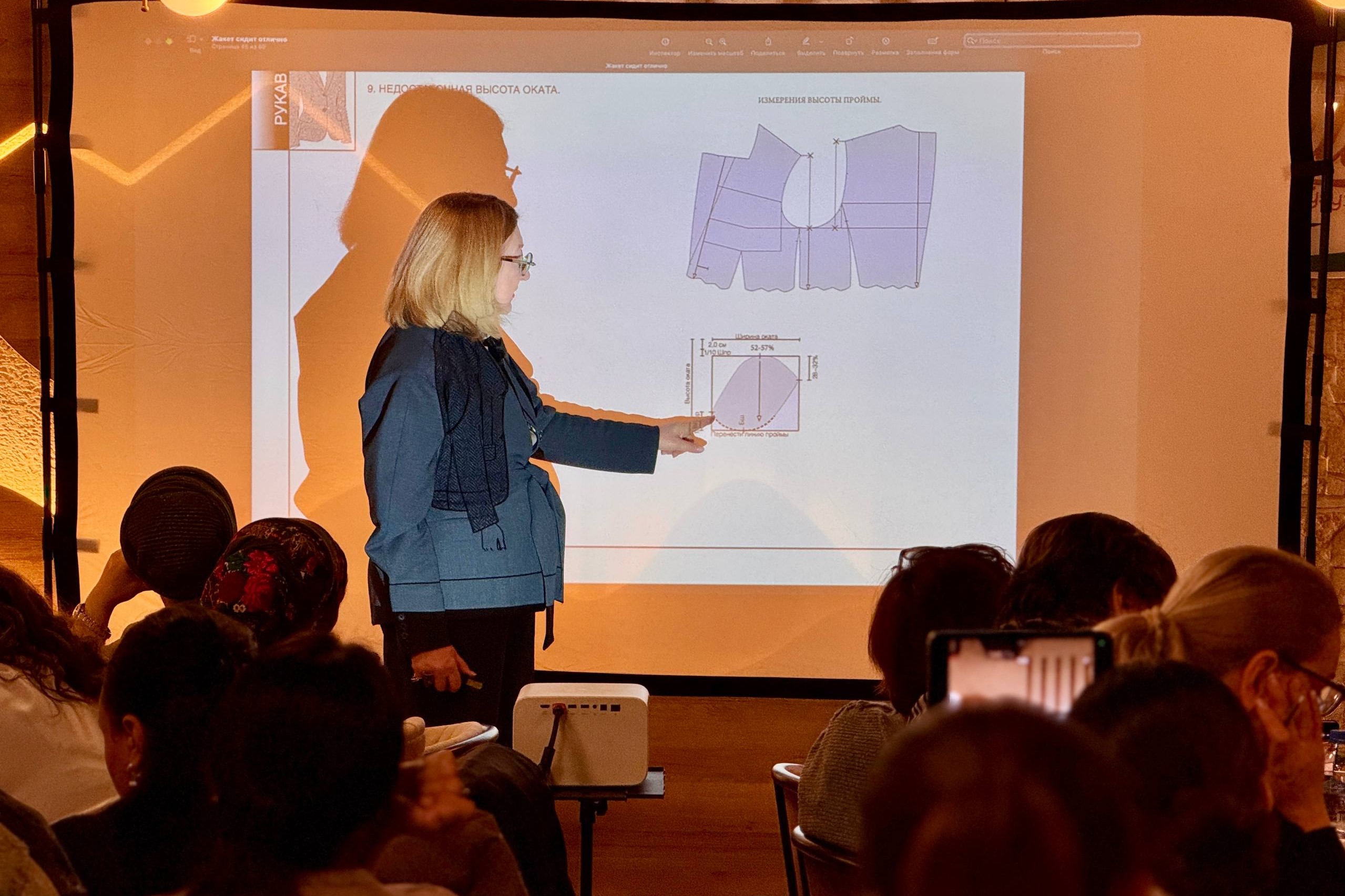
While the first stage laid the foundations, the current training focused on advanced pattern construction techniques, including adjustments and complex geometry in women’s tailored garments. To enter EU and CIS markets, it is no longer sufficient to use high-quality cotton or silk. Today’s consumer values garment architecture.
During the training, 25 leading industry specialists examined how anthropometric features influence the construction of jackets and shirts. Experts emphasised that fit quality is the key factor in building brand trust and reducing retail returns.
The Export Code “Made in Turkmenistan”
The ITC programme “Turkmenistan: Trade Resilience and Integration” identifies the textile cluster as one of the most promising growth areas. The presentation “The Jacket Fits Perfectly” went beyond a masterclass, demonstrating practical tools that enable local brands to compete with European manufacturers.
Key competencies addressed during the training included:
Defect diagnostics — eliminating creases and fitting errors in tailored garments.
Scalability — developing base patterns adaptable to industrial production.
Commercial design — transforming local creative concepts into competitive market products.
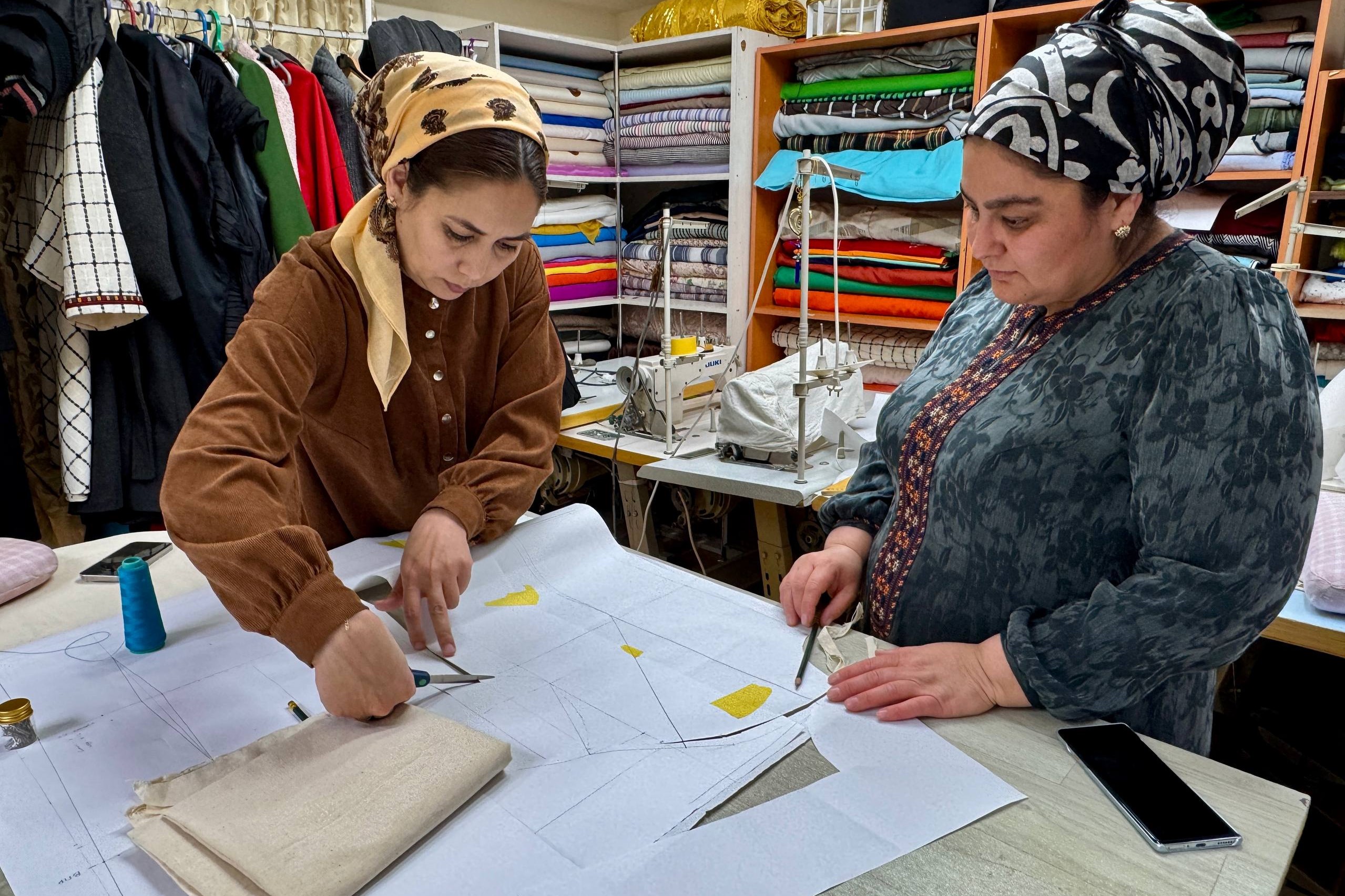
The transition from individual tailoring to systematic construction in line with global standards is precisely the missing link that will allow Turkmen private enterprises not merely to produce clothing, but to create internationally in-demand collections.


