Singapore looks to deserts and forests for renewable energy

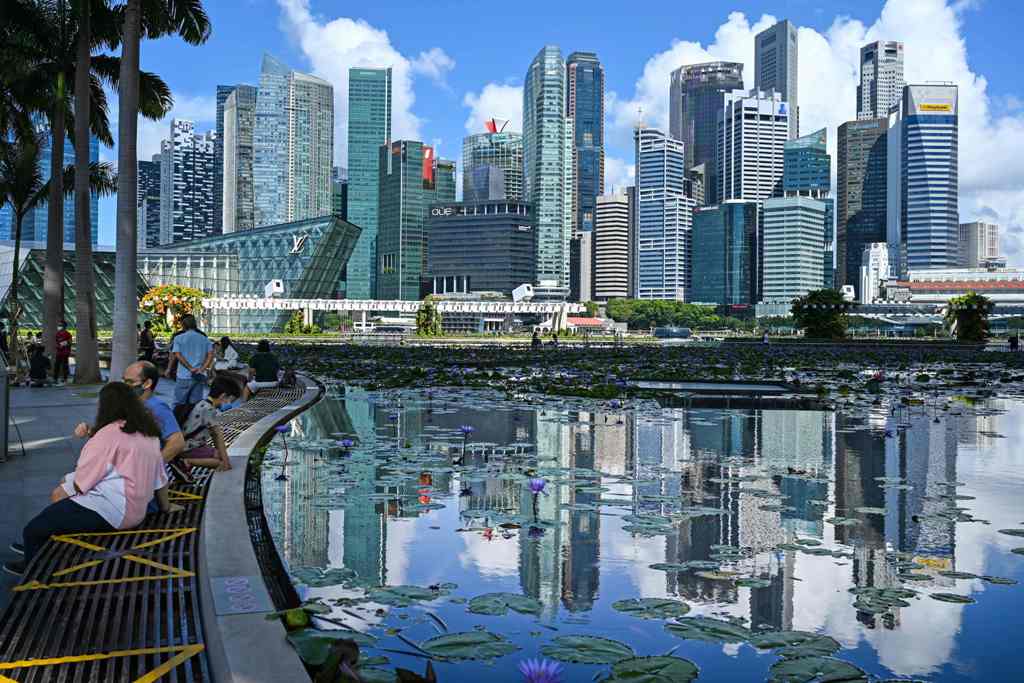
With massive data centres set to boost already huge demand for electricity, the tiny city-state of Singapore is turning to the deserts of Australia and the rainforests of Malaysia for clean energy.
Australia announced this week that it will build a massive solar farm that it hopes will eventually supply two gigawatts (GW) of power to Singapore via an undersea cable, AFP reports.
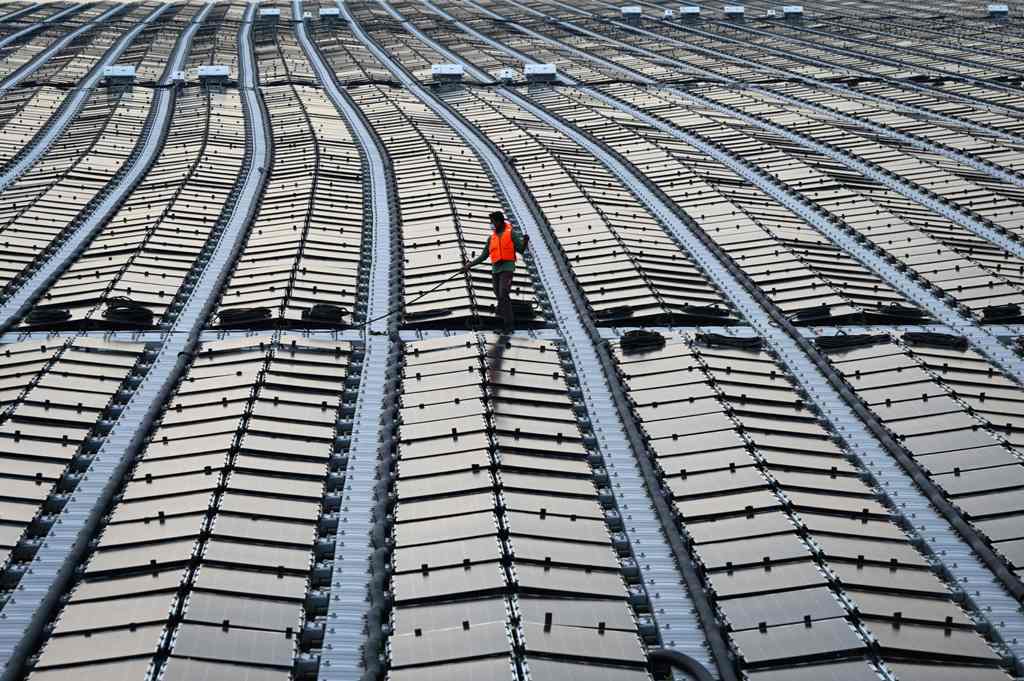
Singapore aims to be carbon neutral by 2050, but relies heavily on imported oil and gas to do so. The city lacks the capacity to generate wind or hydropower, and while it aims to generate two gigawatts of power from locally installed solar power plants by 2030, it has no space for large-scale solar power plants.
Meanwhile, demand is set to grow, particularly from data centres, which already account for 7% of Singapore’s electricity consumption, a figure that is projected to rise to 12% by 2030.
To meet this demand, the Energy Market Authority of Singapore has already issued conditional import approvals for 1 GW from Cambodia, 2 GW from Indonesia and 1.2 GW from Vietnam.
This is a combination of solar, wind and hydropower – a popular but sometimes controversial energy source in the region, where its use is associated with deforestation and environmental degradation due to dam construction.
Singapore is expected to import renewable energy at least 30% of its electricity by 2035, according to think tank Ember.
However, the Nanyang Energy Research Institute, one of Singapore’s leading public universities, has warned that there are “many challenges,” including transmission distances, power losses and outages.
The plans involve laying 4,300 kilometers of undersea cable, and the project still needs approval from Singapore’s energy regulators, the Indonesian government and Australia’s indigenous communities.
Analysts point out that the city-state is already seeing some of these problems, with complications in the transmission of hydroelectric power from Laos via Thailand and Malaysia. There could be “disagreements over how power will be transmitted across countries, as well as competition between economies for access to renewable energy.”
This makes diversifying its renewable energy sources critical for Singapore. The city is somewhat unique: its demand for electricity is growing steadily, and is five times higher than the regional average. However, the country is far from alone in looking to meet its needs abroad, being part of a wider, global trend.


